
What Bare Trees Reveal to Us
As autumn settles into winter, our landscapes begin to look a little different. The vibrant colors of fall fade, leaves collect on the ground, and the branching structures of deciduous trees become exposed against the sky.
Although many of us miss the shade and greenery of summer, this seasonal change offers a valuable opportunity. Without leaves blocking the view, we can often see features of our trees that went unnoticed during the growing season.
For homeowners, late fall is an excellent time to take a closer look at the trees around the property, notice changes, and consider whether any concerns deserve professional attention.
A clearer view of the canopy
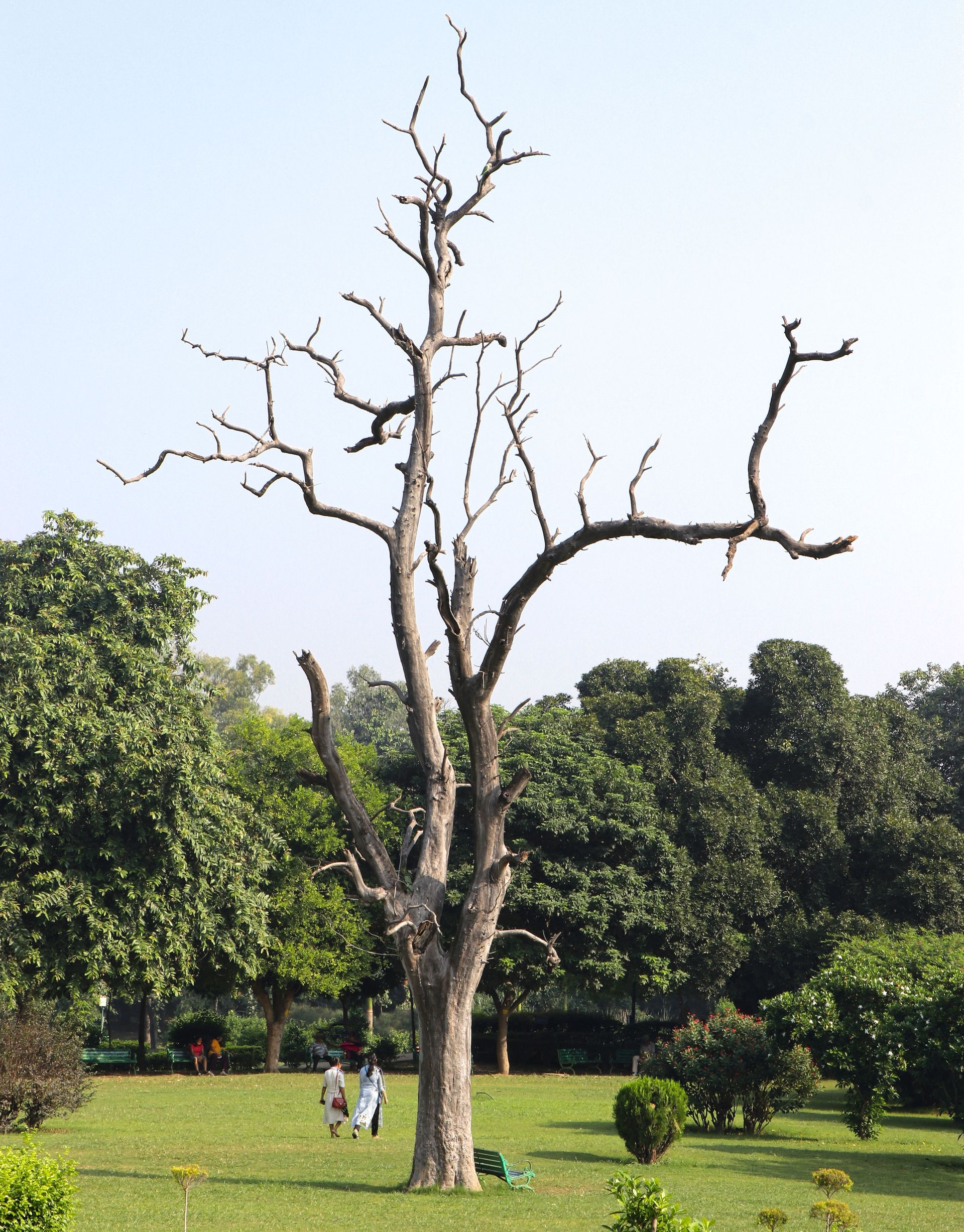
A tree's canopy can tell us a great deal about its structure. During the growing season, dense foliage can hide crossing branches, damaged limbs, and irregular growth patterns. Once the leaves fall, these features may become easier to spot. As you look at your trees, pay attention to:
- Dead or broken branches. Look for limbs without foliage during the growing season, visibly damaged wood, or branches that have broken and remain caught in the canopy. Remember that some species naturally retain dead leaves into winter, so appearance alone isn't always conclusive.
- Crossing or rubbing branches. Branches that repeatedly contact one another can damage their bark over time, potentially creating openings for pests and disease.
- Unusual cracks or splits: Large cracks in the trunk or major limbs, particularly near branch attachments, may warrant an arborist's assessment.
- Changes in the canopy: Noticeable differences in branch density, missing sections, or changes that have developed since previous seasons may provide useful clues about a tree's overall condition.
- Branches near structures: Limbs growing over roofs, driveways, walkways, and other frequently used areas deserve attention, especially if they appear damaged or poorly attached.
None of these observations automatically mean a tree is hazardous. Trees develop in different ways, and features such as cavities or unusual branch angles need to be evaluated in context. The goal is not to diagnose a problem yourself, but to recognize when a closer look by a professional may be worthwhile.
What winter weather can reveal
Winter puts trees through a different set of conditions than the rest of the year. Strong winds, heavy snow, and ice accumulation can place additional loads on branches and expose weaknesses that might not be apparent during calmer weather.
A structurally sound tree can still lose branches during a severe storm, so no inspection can guarantee that damage will never occur. However, identifying existing problems before winter weather arrives may provide an opportunity to address them before they become more serious.
Pay particular attention to trees near homes, garages, parking areas, and frequently used paths. A damaged branch over an empty section of woodland presents a different level of concern than one hanging over a home's entrance.
If you notice a large broken limb, a significant crack, or a branch that is hanging precariously, keep your distance and contact a qualified tree-care professional. Avoid standing beneath damaged limbs or attempting to remove them yourself.
Pay attention to the trunk and roots
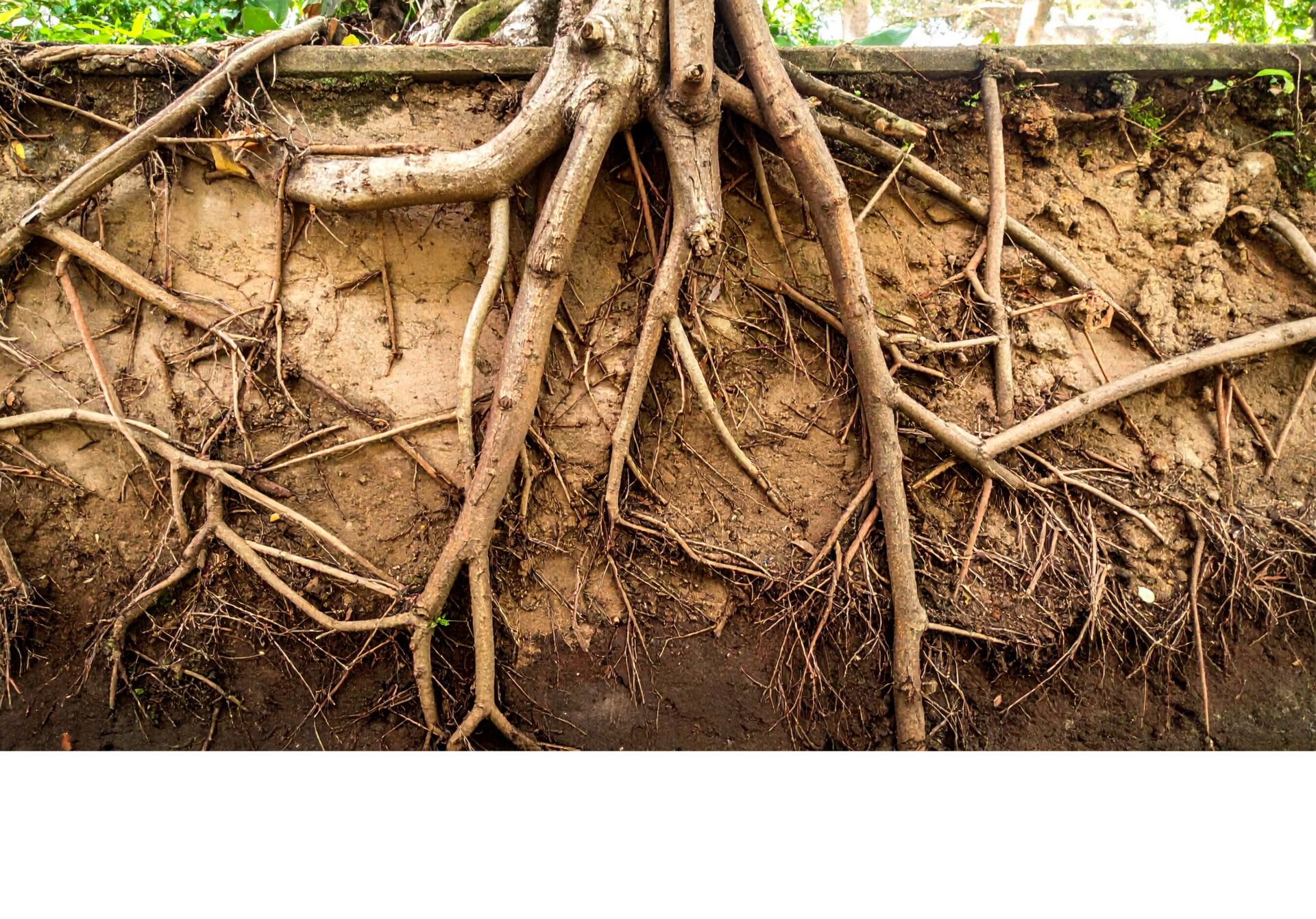
Although bare branches tend to attract our attention, a tree's trunk and root area can offer important information, too.
Look for newly visible cracks in the trunk, areas of missing or damaged bark, or fungal growth near the base. Changes in the surrounding soil—such as fresh mounding, cracking, or lifting near the root flare—may also deserve attention, particularly if the tree has recently begun leaning or its position appears to have changed.
Keep in mind that mushrooms growing near a tree do not automatically indicate that the tree is unhealthy, and some natural trunk features are harmless. What matters is the combination of observations, the tree's history, and its surroundings.
It is also worth considering what has changed around the tree over the past year. Construction, excavation, changes in drainage, soil compaction, and damage to roots can affect a tree's health even when the canopy still looks relatively normal. Some effects may take time to become visible.
Is winter the right time to prune?
The dormant season can be a useful time to prune many trees, partly because their branching structures are easier to see without foliage. In some circumstances, pruning during dormancy can also reduce exposure to certain pests and diseases.
However, there is no universal rule that every tree should be pruned before winter. The ideal timing depends on the species, the tree's condition, the reason for pruning, and the local pest and disease concerns. Some trees have specific seasonal considerations, and damaged or hazardous limbs may require attention regardless of the time of year.
Pruning should also have a clear purpose. Removing dead or damaged branches, addressing certain structural issues, and improving clearance can all be appropriate goals. Cutting back healthy growth simply because winter is approaching is not necessarily beneficial, and excessive pruning can stress a tree and cause problems in the future.
If you are unsure whether a tree needs attention, a professional assessment can help you distinguish between normal growth patterns, conditions worth monitoring, and issues that may require action.
Make a little time for your trees this November
You don't need special equipment or extensive tree-care knowledge to become more familiar with the trees on your property. A simple walk around your yard can help you notice changes, identify branches that deserve a closer look, and make a list of questions for a professional.
Think of it as getting to know your landscape a little better. The trees that provide shade, privacy, beauty, and habitat throughout the year deserve attention even when their leaves are gone.
At 4 Seasons Arborscapes, we believe informed decisions are an important part of responsible tree care. If you have noticed something unusual or would like a professional opinion about your trees, our team can help you determine what steps, if any, may be appropriate.
Check out the latest: