

What's Going On Under Your Trees?
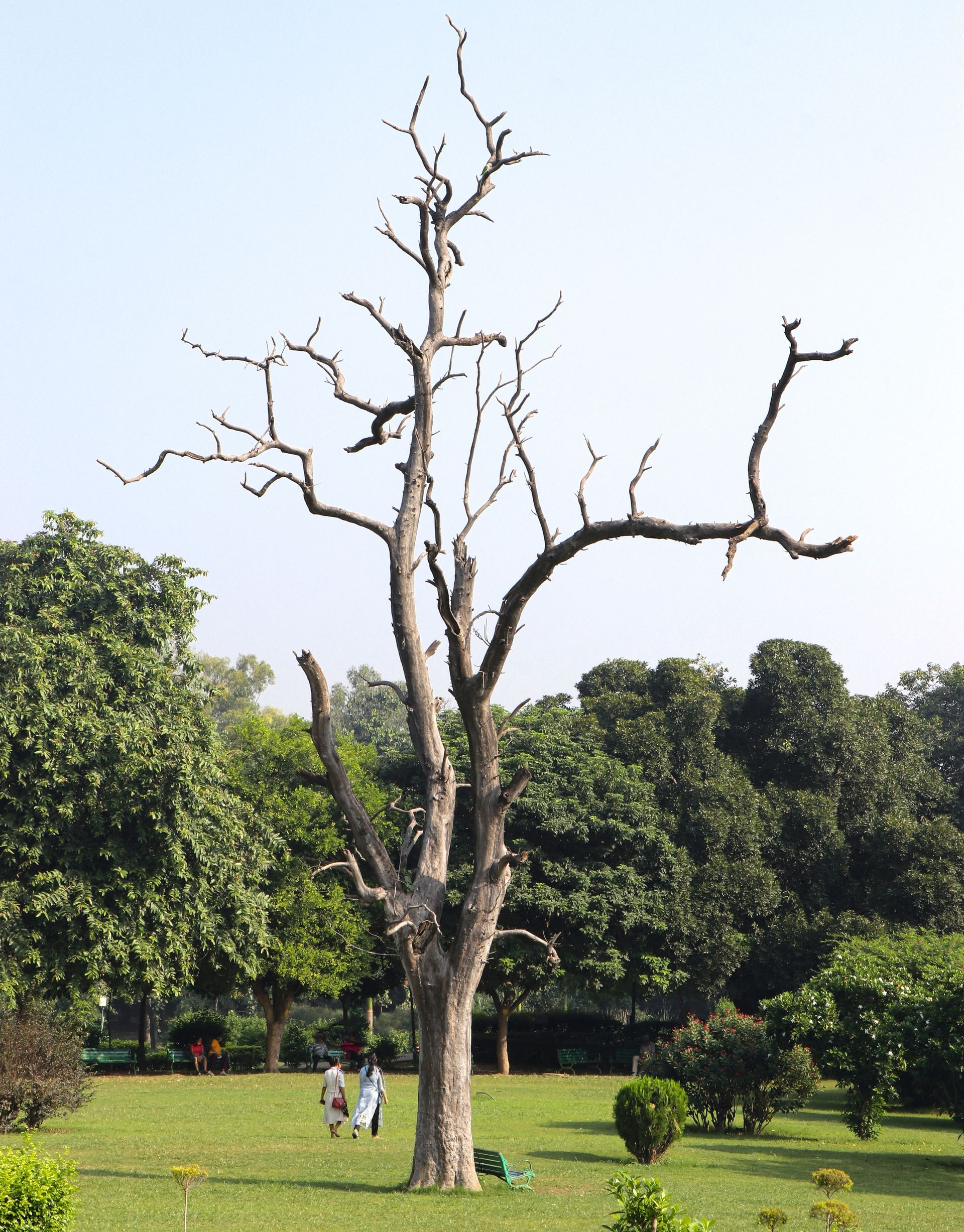
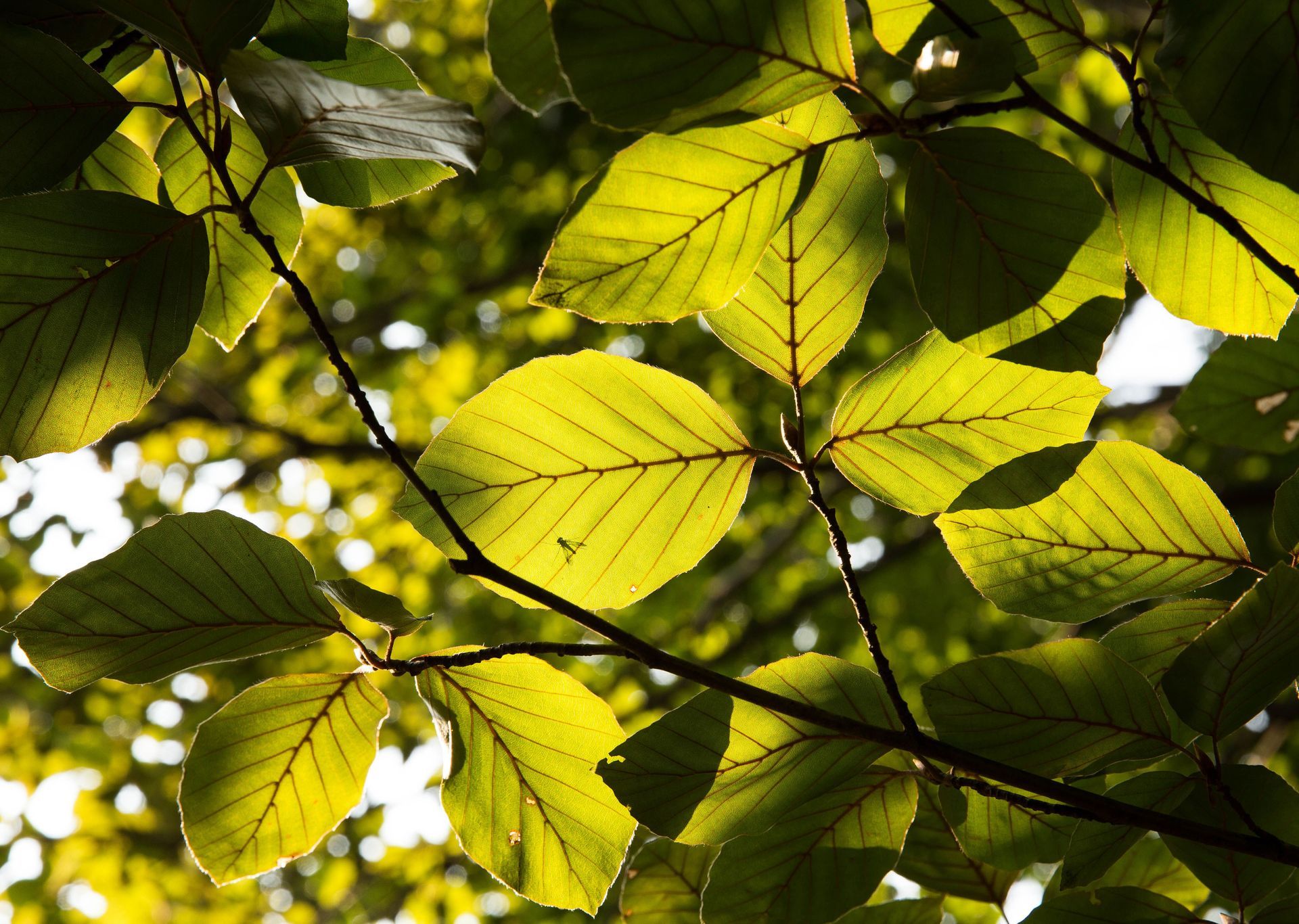
When we admire a tree, we naturally focus on what we can see: the broad canopy, the shade on a summer afternoon, the flowers of spring, or the colors of autumn. Yet the visible portion of a tree is only part of the story. Beneath the soil exists a complex and bustling ecosystem that supports every leaf, branch, and acorn above. In fact, the health of a tree is often determined not by what happens in its canopy, but by what happens underground.
Soil: The Foundation
Healthy soil is much more than dirt. It is a living system made up of minerals, water, air, organic matter, and countless living organisms working together. A single teaspoon of healthy soil can contain billions of bacteria, miles of fungal threads, and thousands of microscopic organisms. These organisms break down fallen leaves and organic debris, recycling nutrients back into forms that trees can use.
Soil structure is equally important. Tree roots require oxygen just as much as they require water. When soil becomes compacted by construction equipment, vehicle traffic, or repeated foot traffic, the tiny air pockets between soil particles collapse. The result is often a slow decline that may not become visible in the canopy for years.
Fungal Networks: The Underground Internet
Perhaps the most fascinating part of the underground ecosystem is the relationship between trees and fungi. Mycorrhizal fungi form partnerships with tree roots, extending microscopic threads called hyphae throughout the soil. These fungal networks dramatically increase the amount of soil a tree can explore for water and nutrients.
In exchange for minerals and moisture, trees provide the fungi with sugars produced during photosynthesis.
Researchers have discovered that these fungal networks can connect multiple trees together, allowing nutrients, water, and even chemical signals to move throughout a forest community. Some scientists have nicknamed this system the "Wood Wide Web."
Large, mature trees often serve as hubs within these networks, supporting younger trees and helping forests recover from stress such as drought or storm damage.
Insects: The Workers
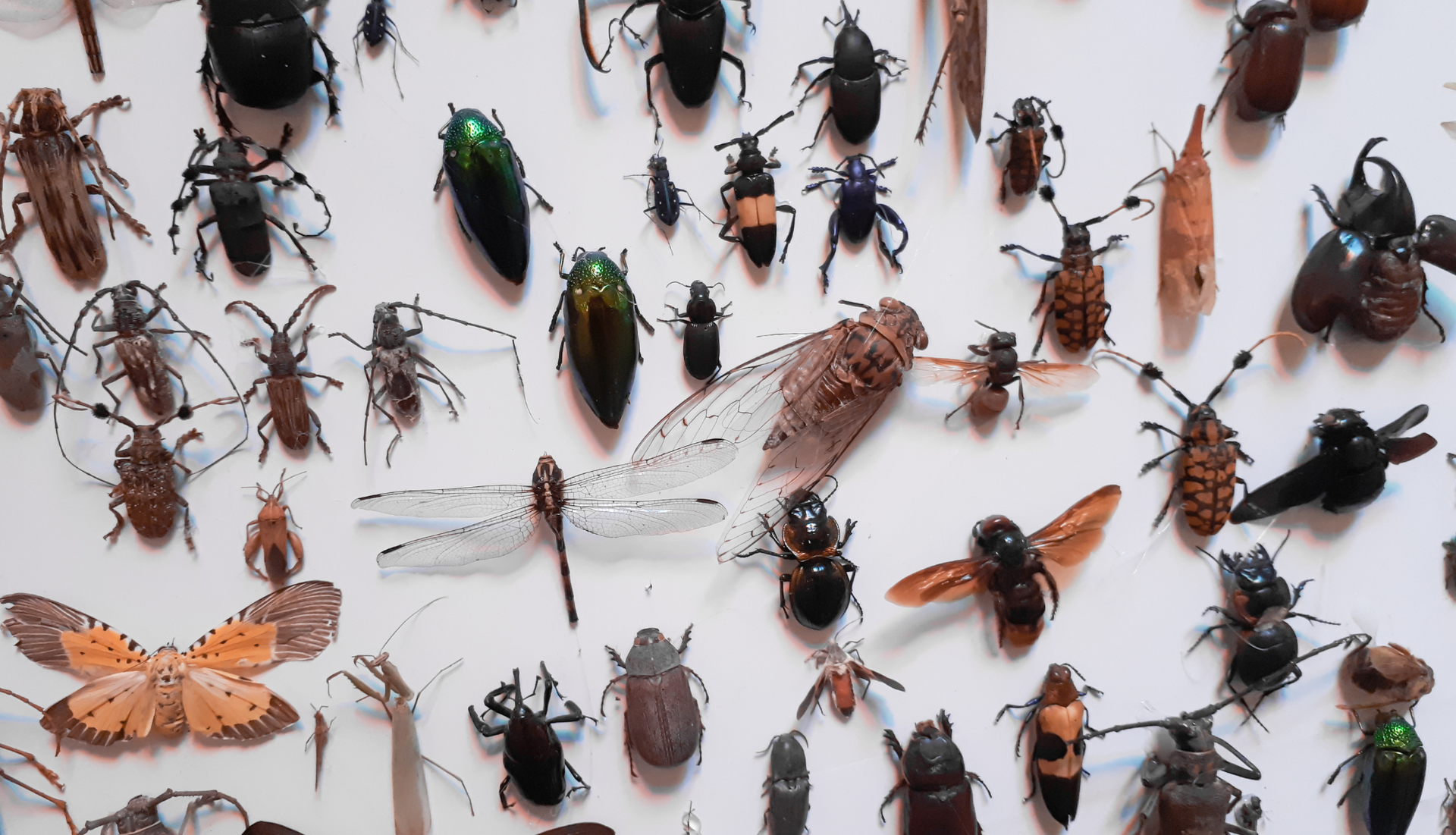
A healthy tree ecosystem depends on diversity, and insects are among its most important workers. When people think of insects around trees, they often think of pests. In reality, most insects associated with trees are beneficial or harmless. Beetles, ants, springtails, and other insects help break down leaves, fallen wood, and organic material. Their work releases nutrients back into the soil where roots can absorb them.
Pollinators rely on flowering trees and shrubs for food, while predatory insects help keep populations of damaging pests under control. Even insects that feed on trees play an important role in natural ecosystems, providing food for birds, mammals, reptiles, and amphibians.
Earthworms & Microbes: The Unsung Heroes
The underground ecosystem extends far beyond roots and fungi. Earthworms and microbes form an important part of the soil's "gut microbiome". Earthworms create channels that improve water infiltration and soil aeration (not to mention the ample production of "black gold"). Bacteria decompose organic matter and release essential nutrients. Microscopic organisms regulate nutrient cycles and help suppress harmful pathogens. Together, these organisms create the conditions necessary for healthy root growth and resilient trees.
Water: The Lifeline
As water moves through the soil, it carries dissolved nutrients toward root hairs and fungal networks. Soil rich in organic matter acts like a sponge, storing moisture during wet periods and slowly releasing it during drought. Compacted or disturbed soils often struggle to absorb rainfall efficiently, leading to runoff instead of infiltration. This is one reason established forests are so effective at reducing flooding and protecting waterways.
Why Root Zones Matter
Many homeowners assume tree roots mirror the shape of the canopy overhead. In reality, roots frequently extend two to three times beyond the drip line of a tree. Most of these roots are surprisingly shallow, with nearly ninety percent found within the top two feet of soil. This means activities such as parking vehicles beneath trees, storing construction materials nearby, or repeatedly disturbing the soil can damage roots long before symptoms appear in the canopy. By the time a tree begins to show visible decline, the original root damage may have occurred years earlier.
How to Protect Root Zones
Fortunately, supporting this hidden ecosystem is often simple.
- Apply mulch two to three inches deep, while keeping it away from the trunk and avoiding a "mulch pyramid".
- Minimize soil compaction within root zones.
- Avoid unnecessary excavation around mature trees.
- Preserve leaf litter and organic matter whenever possible.
- Water deeply during extended dry periods.
- Protect mature trees during construction projects.
The next time you stand beneath the shade of a large oak or maple, remember that the towering canopy above exists because of an invisible world below-- one filled with fungi, insects, microbes, and roots, quietly working together beneath your feet.
Check out the latest: