Plant Problems
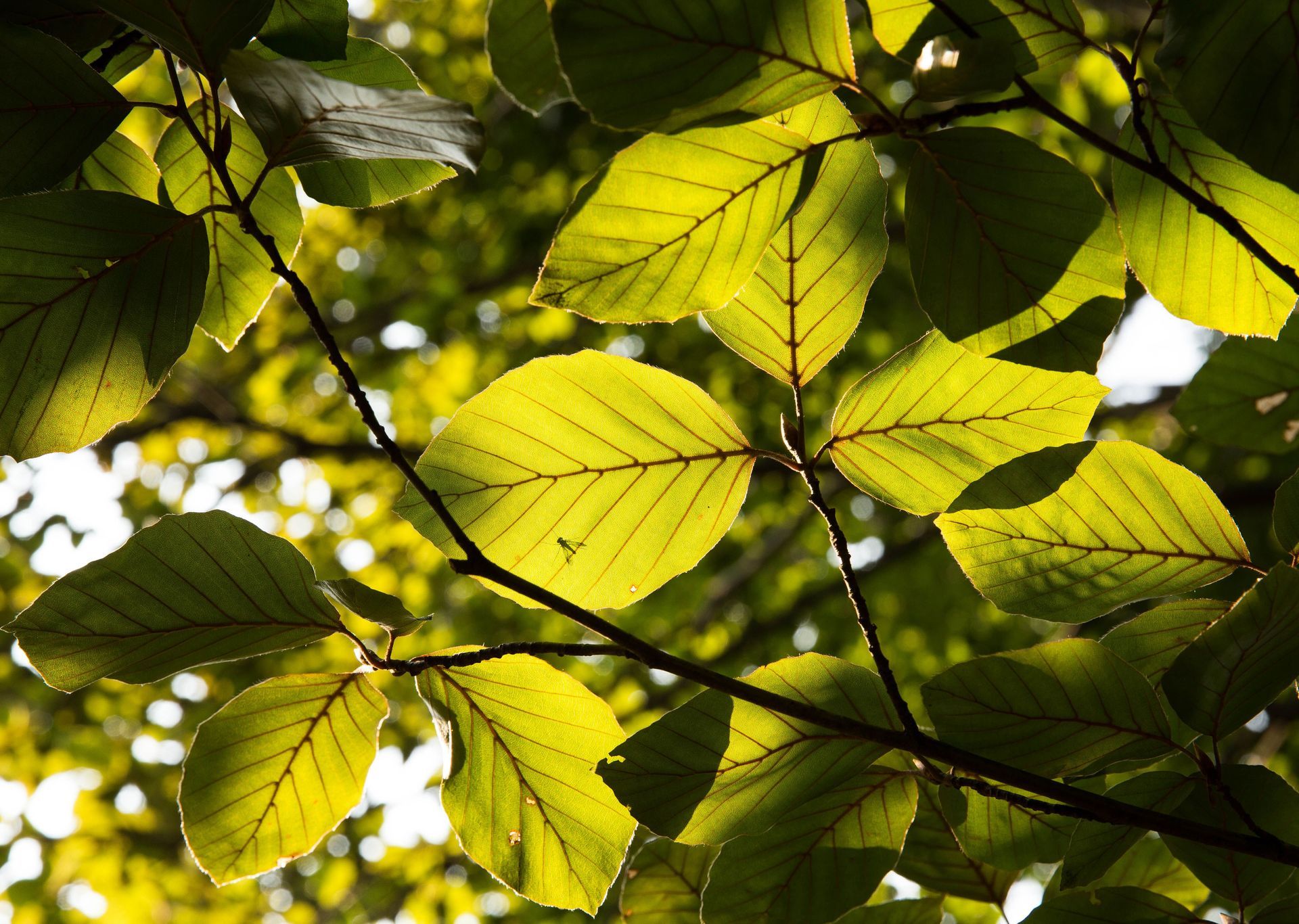
For years, Beech Leaf Disease (BLD) has been one of the most alarming threats facing North America's forests. Since its discovery in Ohio in 2012, the disease has spread rapidly throughout the northeast and mid-Atlantic regions, affecting both native American beech and ornamental beech tree species. When the disease first appeared, there were very few answers and much concern. Many arborists and homeowners feared removal was inevitable once symptoms appeared. While BLD remains a serious concern today, researchers at universities and institutions across the country have identified several treatment options that can significantly reduce disease severity and improve tree health. Although these treatments do not cure the disease, they can help slow the progression and preserve our forest ecosystem.
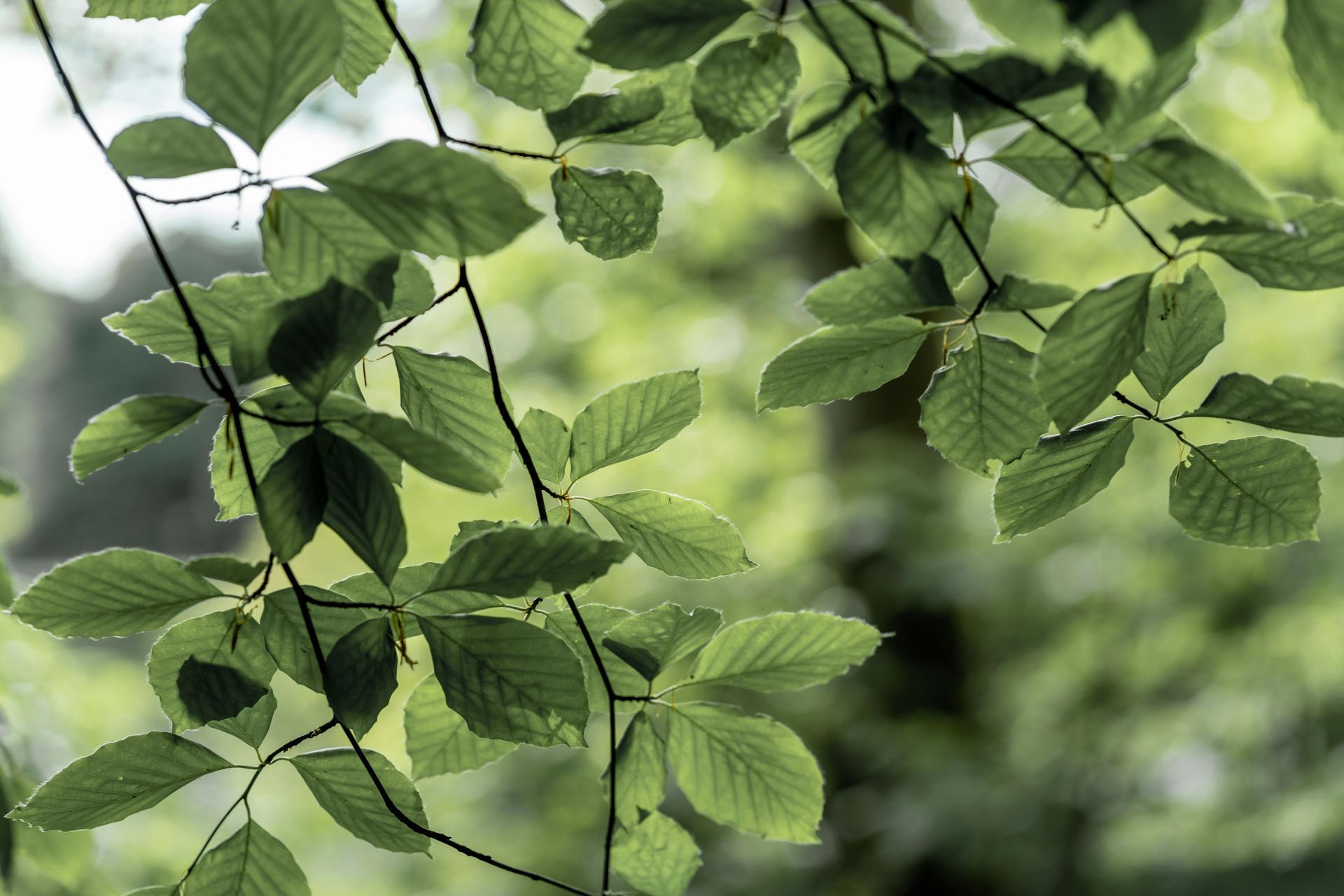
As Beech Leaf Disease continues to spread through the eastern United States, researchers are hard at work finding a suitable and effective treatment to save our native forest species. Here's a quick update on recent findings and what this means for Pennsylvania's beech population.
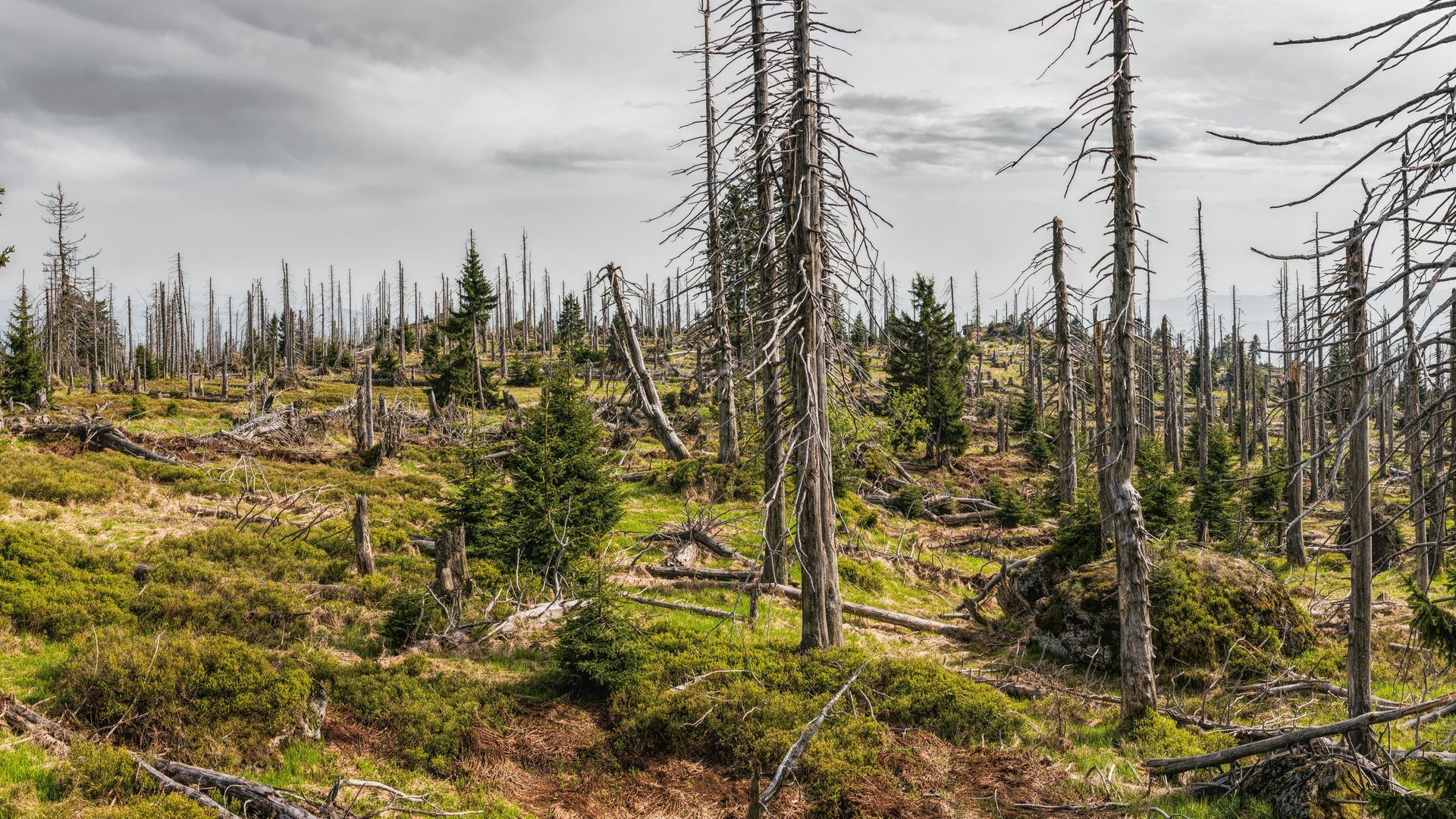
August heat can be brutal. Even well-established trees can silently suffer from drought stress, which weakens their structure, slows growth, and makes them more vulnerable to disease, pests, and storm damage. But the good news? If you catch the signs early, you can often save the tree and avoid costly removal.
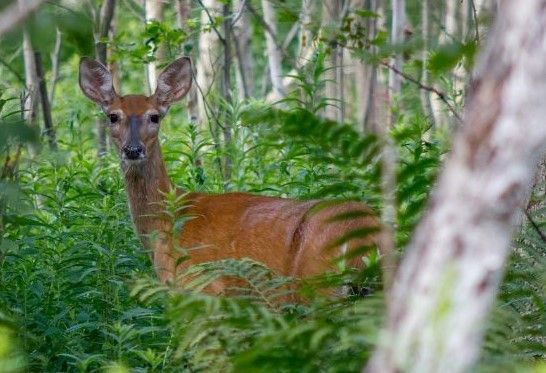
As delightful as deer may be, they often present a significant challenge for homeowners striving to uphold a well-maintained and attractive lawn and garden. Fortunately, there are several methods you can employ to deter deer from munching on your garden.
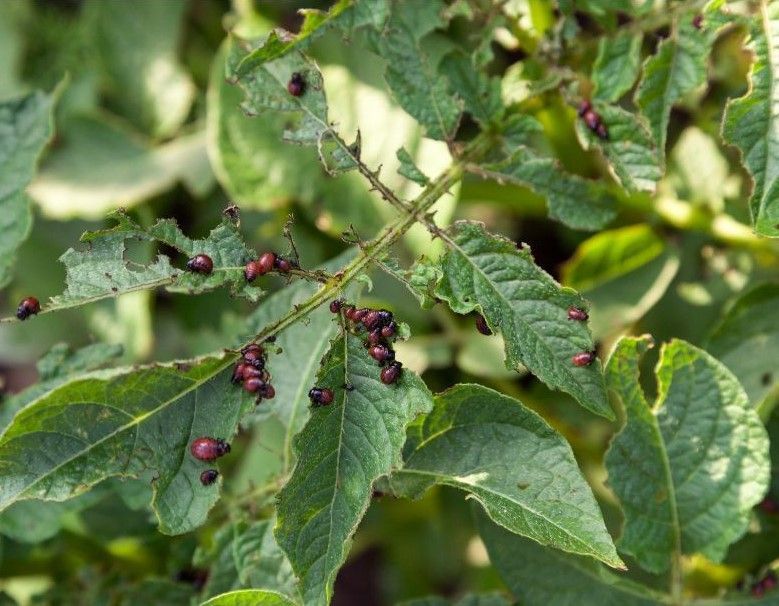
As fall progresses and temperatures begin to drop, many tree pests prepare for winter in various ways. Late fall is a key time to identify these pests before they become dormant or continue causing damage during the colder months.
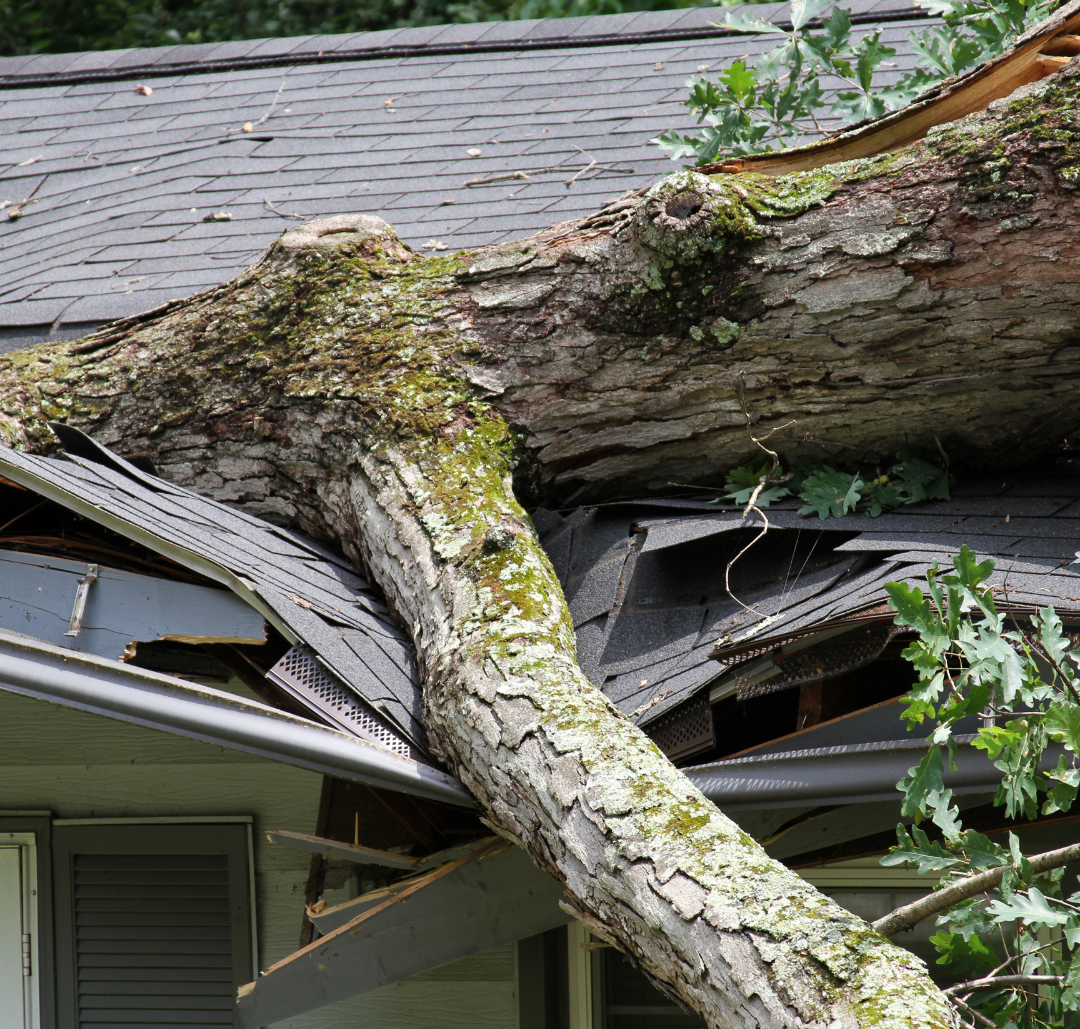
In this article, we’ll explore how to identify tree-related structural damage and provide you with essential tips to safeguard your home. Stay informed and proactive to ensure that your home remains a safe and comfortable haven.
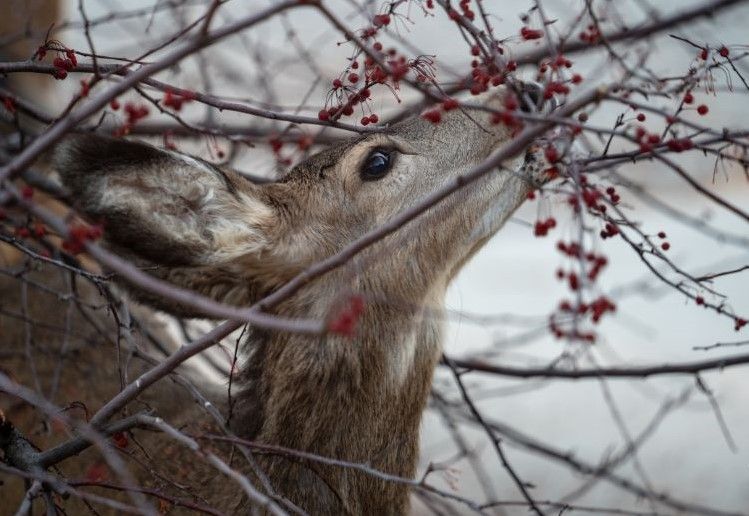
Are you tired of watching deer turn your trees into a buffet? These animals can cause a lot of damage by munching on leaves, bark, and branches, especially when other food is hard to find in the winter. One tool in your arsenal is to plant trees and other vegetation that deer will hate.
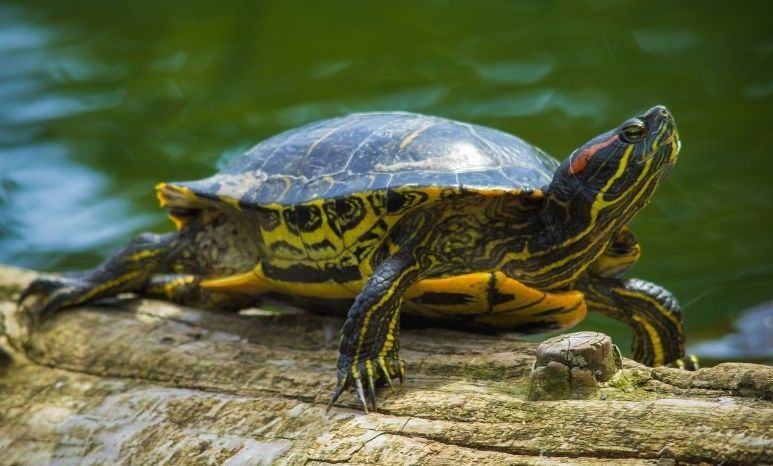
Invasive species pose a significant threat to Pennsylvania's ecosystems, economy, and even public health. In this blog, we delve into the importance of understanding these non-native species, their impact on local habitats, and effective management strategies.

Whether you're looking to protect your skin or safeguard your yard, these natural insect repellents provide a safe, non-toxic way to enjoy the outdoors without the annoyance of bugs. In this article, we will explore how essential oils can be used to create effective insect repellents for you and your yard.
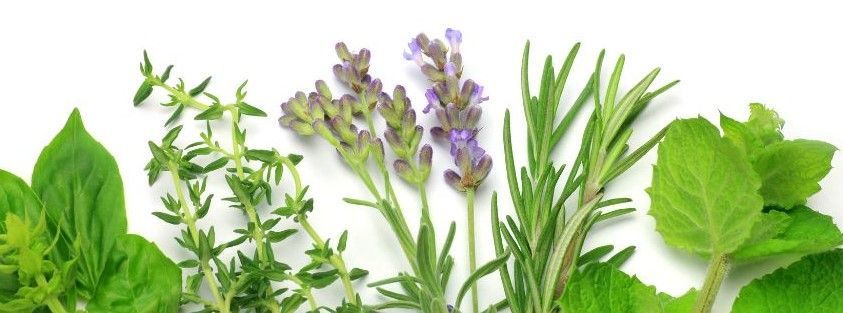
Discover the power of natural insect repellents for both you and your yard in this series. We'll talk about a variety of eco-friendly solutions that help keep bugs at bay without resorting to harsh chemicals. Explore effective, safe, and sustainable ways to protect your yard and loved ones from unwanted pests.
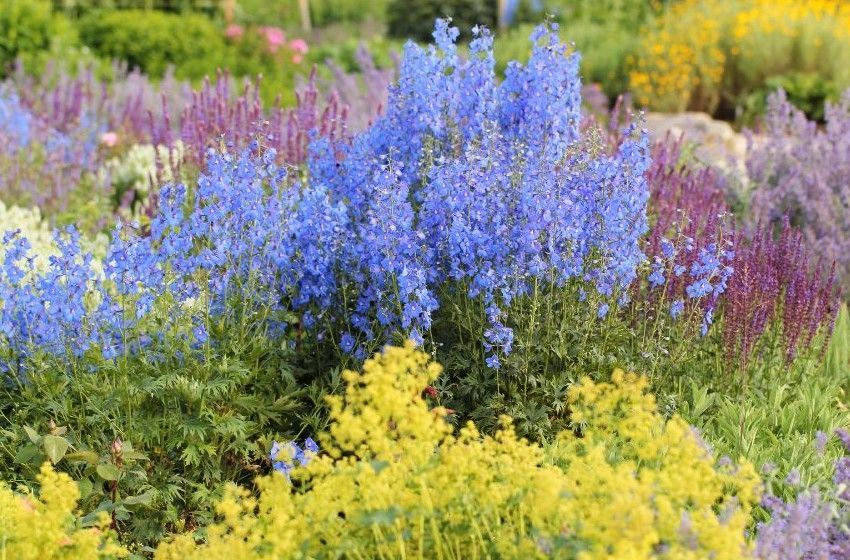
From the use of essential oils and homemade sprays, to plants that bugs will run (fly?) in terror from, we explore effective, safe, and sustainable ways to protect your yard and loved ones from unwanted pests.
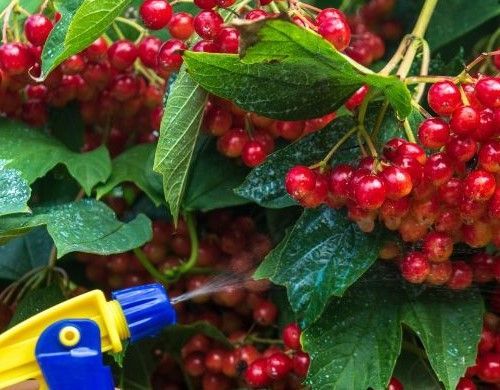
Pollinator-friendly weed and pest control is a way of managing gardens and farms that helps protect and support pollinators such as bees, butterflies, and birds. By using these methods, farmers and gardeners can help safeguard the environment, improve crop yields, and enhance biodiversity. Pollinator-friendly weed and pest control is a great way to benefit everyone involved, including the planet.