Who Really Cares About Insects? (Spoiler: We Do!)
Let's be real-- most people don’t spend much time worrying about the lives of bugs.
In fact, many people are happy to see fewer of them around. Less mosquito bites, less bee stings, less bugs splattered across the windshield on summer road trips. Up until a few years ago, you probably remember scrubbing spots of insect guts off your car after a drive. Today, many people are noticing there just aren’t as many bugs around anymore.
At first glance, that sounds like a good thing... but scientists, arborists, ecologists, and agricultural experts are increasingly concerned about declining insect populations, mainly because insects play a major role in healthy ecosystems, healthy trees, and even human food systems.
Why are insect populations declining?
Several major factors are contributing to insect decline across North America and the world:
- Habitat loss from development and overly manicured landscapes
- Pesticide and herbicide use
- Climate change and shifting seasonal patterns
- Light pollution disrupting nocturnal species
- decline in native plants and biodiversity
Why insects are important to the ecosystem
While some insects are considered pests, the vast majority perform essential ecological functions. These might include:
Pollination
Bees get most of the attention, but many other insects—including beetles, flies, moths, and wasps—help pollinate plants, trees, and crops.
Without pollinators:
- Food production declines
- Plant diversity decreases
- Wildlife habitat suffers
Soil Health and Decomposition
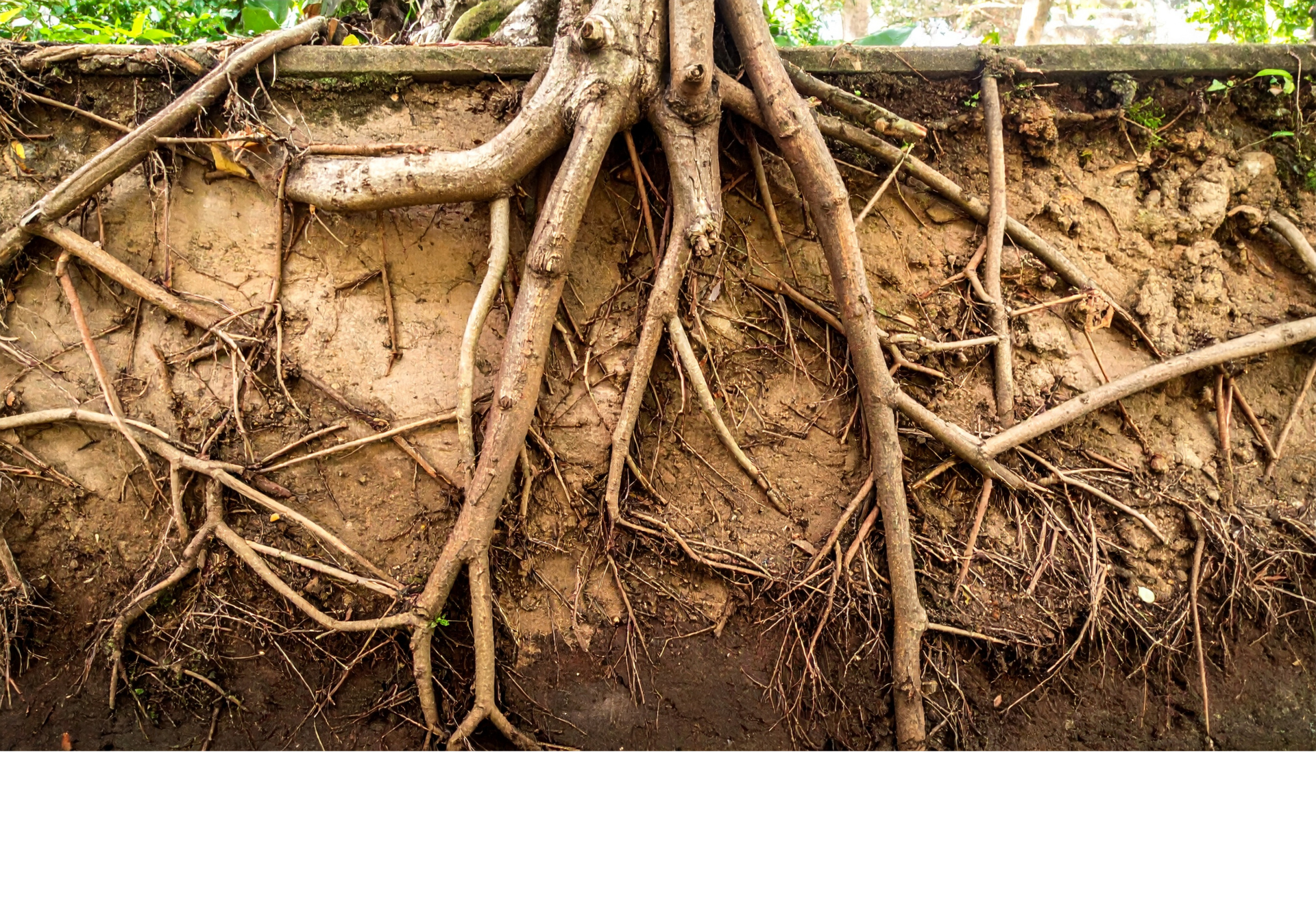
Insects help break down organic matter like leaves, wood, and dead plants. This process returns nutrients to the soil and supports healthy root systems for trees and shrubs.
Healthy soil is one of the foundations of long-term tree health.
Natural Pest Control
That's right-- the more good bugs you have around, the less bad bugs you'll have around. Many beneficial insects prey on destructive pests and help maintain balance within ecosystems. When insect diversity declines, harmful species can sometimes become more problematic because their natural predators disappear.
Food for Wildlife
Birds, amphibians, fish, and small mammals rely heavily on insects as a food source, and they, in turn, become food for larger and larger predators, including humans. A decline in insect population sets off a chain reaction that will ultimately affect the entire ecosystem in some way.
How insect decline impacts trees and landscapes
As a tree care company, this is where we see the issue becoming especially relevant.
Healthy trees depend on healthy ecosystems. When insect populations decline:
- Soil biology becomes weaker
- Nutrient cycling slows down
- Beneficial predator insects disappear
- Tree stress can increase
- Pest outbreaks may become harder to control naturally
Some tree problems are not caused by a single issue, but by long-term environmental stresses stacking up over time. A balanced ecosystem helps trees resist pests, disease, drought, and other stressors more effectively.
What are the signs of a declining insect population?
Some of the changes people will notice include:
- Fewer insects on windshields and headlights
- Reduced firefly populations
- Fewer butterflies and native bees
- Less bird activity in some areas
- Quieter summer evenings
While these changes can feel subtle, they point toward larger ecological shifts happening over time.
What can we do to help declining insect populations?
You do not need to completely transform your property to make a positive impact on the bug populations. Small changes can support both beneficial insects and long-term tree health:
Plant Native Trees and Plants
Native plant species provide food and habitat for local insects, which evolved alongside them and formed a symbiotic relationship. If you can, pay attention to local invasive species and consider signing up for next year's Invasive Replace-ive initiative.
Reduce Broad Chemical Use
Thoughtful, targeted treatments are often more effective and less disruptive than excessive pesticide applications. Try the natural weed killer, pesticide, and other chemical alternatives outside. Also, be mindful of what you rinse down the drain, as that water (although processed) still makes it back to the local freshwater stream eventually.
Leave Some Natural Areas Wild
Leaf litter, mulch beds, and small unmanaged, "wild" spaces can provide shelter for beneficial insects and other critters. Select a section of your property that is unused or empty and let it go. You can also create wildflower beds or butterfly gardens to keep it looking beautiful while being ecologically beneficial.
Diversify Your Landscape
A good mix of trees, shrubs, flowers, and groundcover creates a healthier and more resilient environment. Avoid monocultures and prioritize native species over those introduced when possible.
Focus on Tree Health
Healthy trees are naturally more resistant to stress and pest problems. Proper pruning, soil care, watering, and fertilization all contribute to stronger landscapes. Give us a call or schedule an appointment online for more information on how to care for your trees.
Why all of this matters
You do not have to love insects to recognize their importance in the ecosystem. Insects support pollination, soil health, wildlife, and the overall stability that everything, even humans, rely on every day. The decline in insect populations is not just an environmental issue-- it is a sign that natural systems are becoming unbalanced and vulnerable. Protecting landscapes starts with understanding how connected everything is, and taking steps to lessen your own impact on the environment.
Check out the latest: