

The Life (and Afterlife) of a Tree
A tree's life doesn't begin and end as neatly as we might think. From a tiny seedling to a towering mature tree, an enormous number of systems are constantly working together to keep it alive. And when those systems begin to fail, a tree changes its priorities, redirects its resources, and does what it can to survive. Even after death, the tree's story continues as it supports other life cycles and processes.
This October, let's take a closer look at the life, decline, and afterlife of a tree, and some of the fascinating things happening inside it along the way.
The Life of a Tree
A tree might look stoic and poised on the outside, but inside, there's a tremendous amount going on.
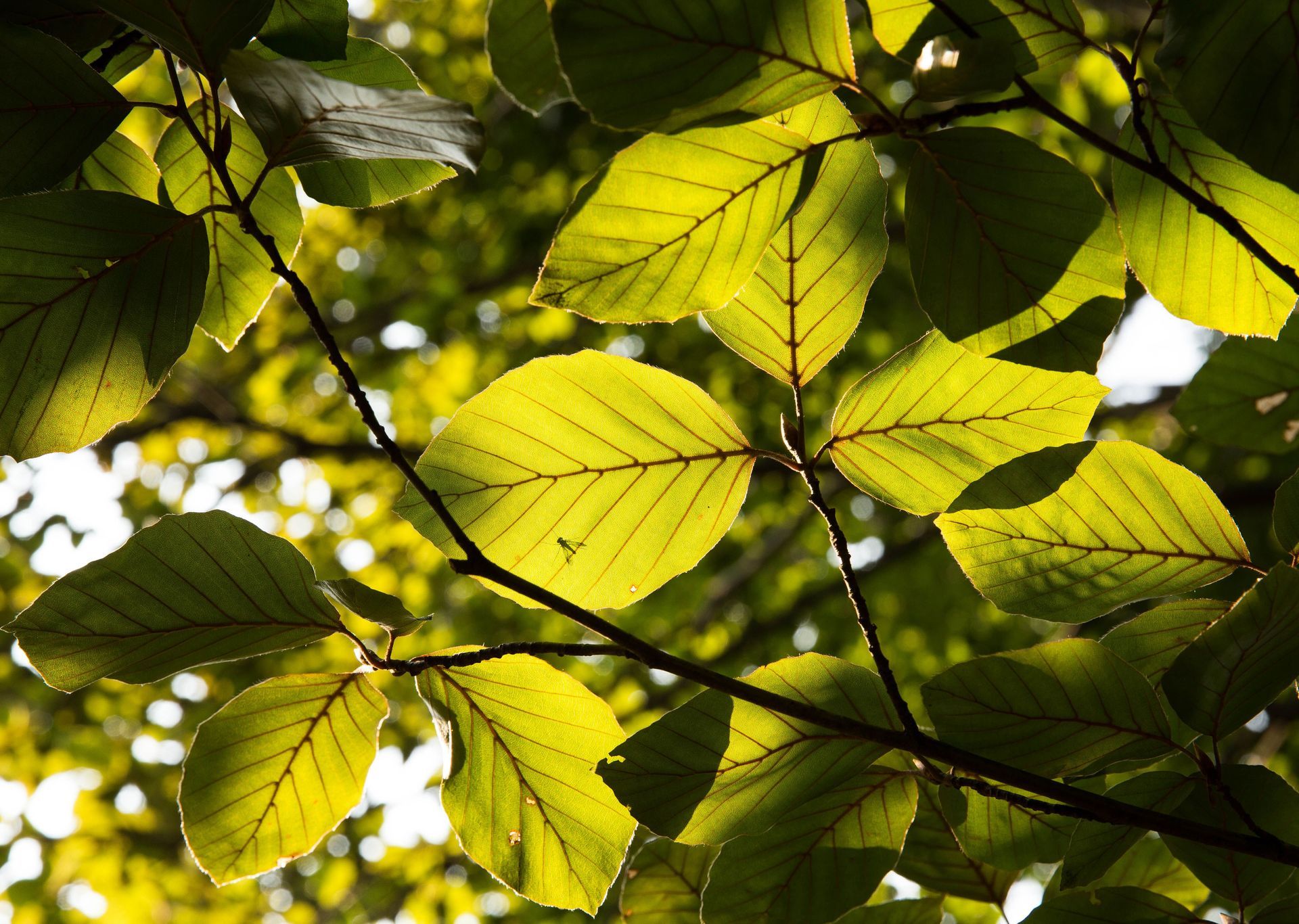
Its leaves capture sunlight and use that energy to convert water and carbon dioxide into sugars through photosynthesis. Those sugars provide the energy and building materials the tree needs to grow, repair damage, produce roots and leaves, and maintain its living tissues.
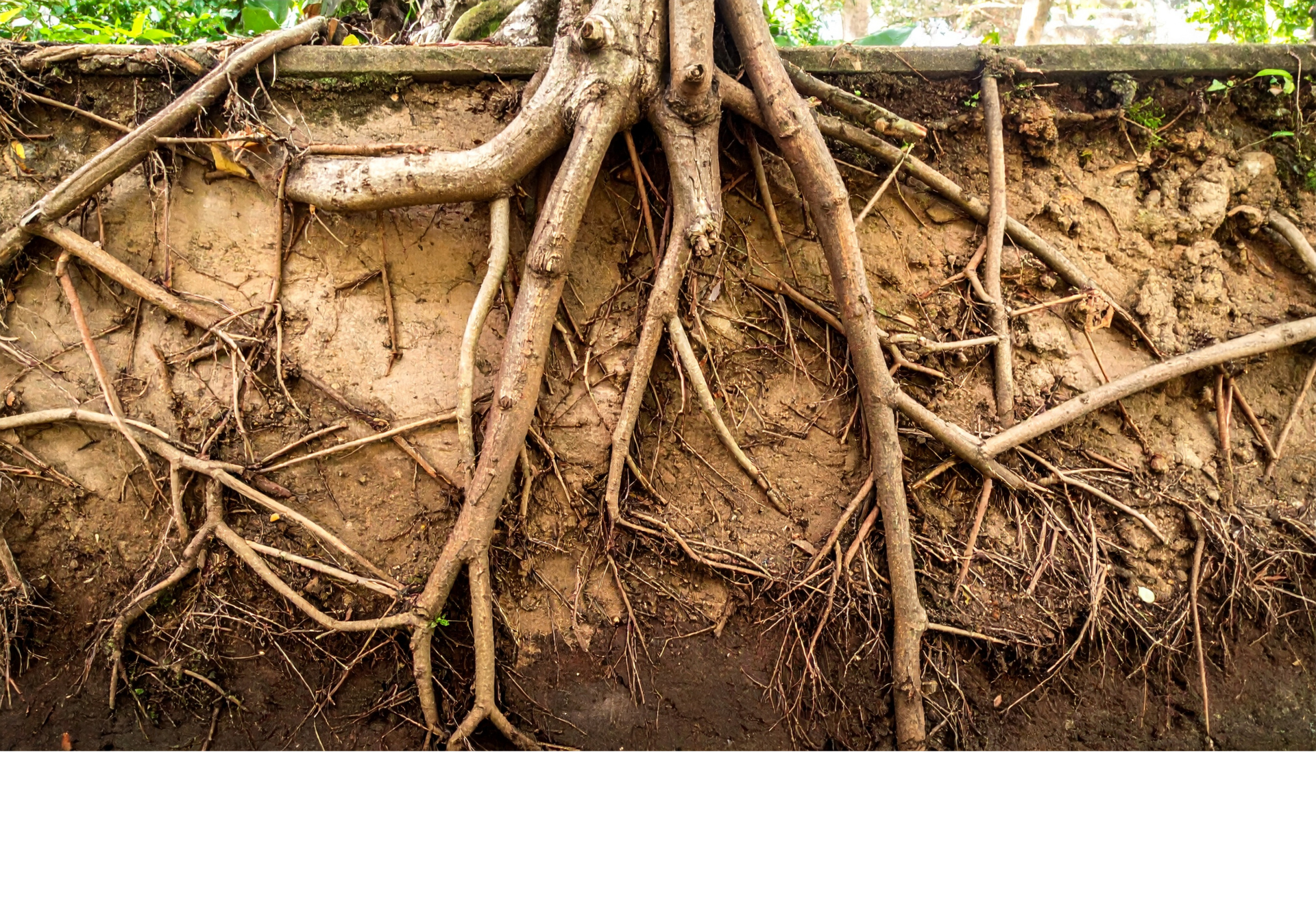
Water is constantly moving in the opposite direction. Roots absorb water from the soil, and specialized tissues called xylem transport it upward through the trunk and branches to the leaves. Much of that water eventually leaves the tree through tiny openings in the leaves in the process of transpiration.
Meanwhile, another vascular tissue called phloem transports sugars and other compounds throughout the tree to wherever they're needed.
And that's just the tree's internal plumbing.
Inside the trunk, layers of living tissue are constantly producing new wood and bark. The tree stores carbohydrates in its roots, trunk, and branches, essentially keeping an energy reserve that it can draw upon when conditions aren't favorable.
Below ground, roots interact with fungi and microorganisms in the soil. Mycorrhizal fungi can form mutually beneficial relationships with tree roots, helping trees access water and nutrients while receiving some of the sugars produced by the tree.
Above ground, the tree is part of a larger community. Birds nest in its branches, insects feed on its leaves and bark, fungi colonize its tissues, and countless organisms use it for food and shelter.
Changes with the Seasons
In spring, increasing temperatures and daylight signal many trees to break winter dormancy. Stored carbohydrates help fuel the production of new leaves and shoots before the current year's leaves have had much opportunity to produce energy of their own.
Summer is often the season of peak activity. Leaves are producing sugars, roots are taking up water and nutrients, and the tree is putting those resources toward growth, maintenance, and storage.
Then comes fall. As daylight decreases and temperatures change, many deciduous trees begin preparing for winter. Chlorophyll—the pigment responsible for much of the green color in leaves—is broken down and its components are reclaimed by the tree. Other pigments that were present all along, as well as pigments produced during autumn, become visible as leaves turn yellow, orange, and red. Eventually, the tree forms a specialized layer of cells at the base of each leaf stem and lets the leaf go. It may look like the tree is losing something valuable, but it's actually reclaiming what it can before letting go of what it no longer needs.
Winter brings another shift. For many temperate trees, growth slows dramatically or stops altogether. The tree relies more heavily on stored resources while protecting its living tissues from freezing temperatures and other seasonal stresses.
The Impact of Stress
Drought, root damage, disease, pests, construction, injury, and other stresses can limit a tree's ability to produce or acquire the resources it needs. When that happens, the tree can't necessarily afford to maintain everything it has built.
A stressed tree may reduce growth, produce fewer or smaller leaves, or allow portions of its canopy to die back. Branches that require more energy to maintain than they provide may become expendable. This is sometimes described as a tree "pruning itself".
While trees don't prune themselves in quite the same way humans trim them, they can shed branches and isolate damaged or infected areas as part of their survival strategy. By abandoning tissues that are no longer useful, the tree can conserve resources for the parts that remain viable.
Trees also have remarkable ways of compartmentalizing damage. Rather than allowing decay, pathogens, or injury to spread freely through the entire tree, a tree can create boundaries around damaged areas, limiting their movement into healthier tissues. And that's an important reason why a tree can have a large cavity, dead branch, or area of decay while still having plenty of living tissue elsewhere.
The Death Process
Eventually, however, a tree may reach a point where it can no longer produce or acquire enough resources to maintain its living tissues.
Perhaps extensive root damage has limited its access to water. Maybe repeated droughts have depleted its energy reserves. Disease, insects, injury, or age may have compromised too much of its vascular system.
Death is often a process rather than a single moment.
Branches may die first. Then larger portions of the canopy. The trunk can contain both living and dead tissues for some time. Eventually, the living cells throughout the tree can no longer sustain themselves.
But this is where the story gets interesting.
The tree may be dead, but the wood is very much alive with possibility.
The Afterlife
Once a tree dies, its tissues become resources for an entirely new community.
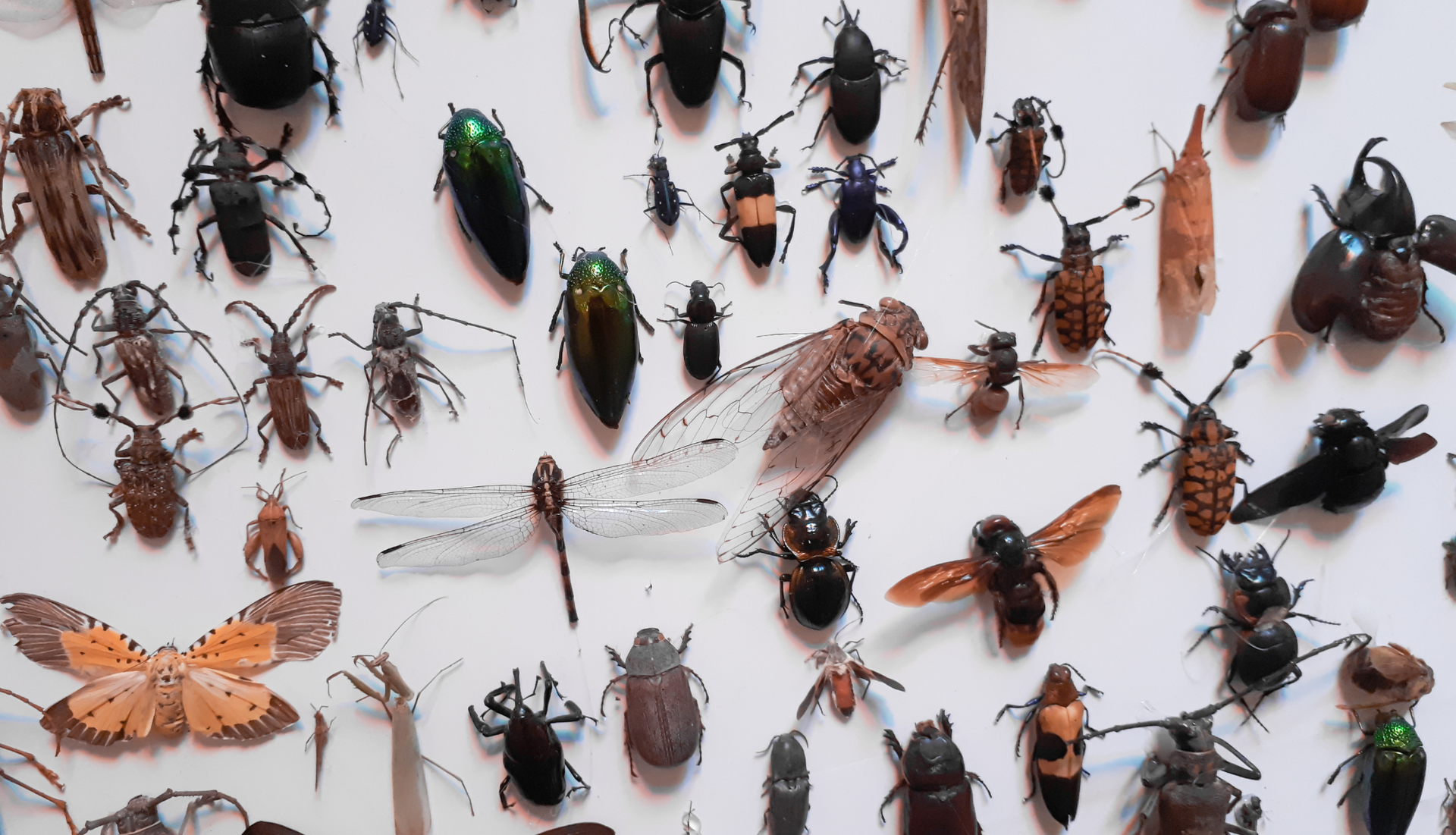
Fungi begin breaking down the complex compounds that make up wood. Insects tunnel into the bark and wood, feeding on the tree or on the organisms living within it. Birds may excavate cavities or search for insects. Small mammals and other wildlife can use hollow sections for shelter.
A standing dead tree, called a snag, can remain part of the ecosystem for years.
Eventually, the tree may fall. Its role changes again.
A fallen log becomes habitat on the forest floor while fungi, insects, microorganisms, and other decomposers continue breaking it down. Slowly, the tree's stored carbon and nutrients are returned to the surrounding ecosystem and eventually become available to other organisms.
In this sense the tree goes from
growing, to sheltering, to feeding, to decomposing, and finally to becoming part of the soil that supports the next generation.
A Note: Not Everything Dead Is Dangerous
There's an important distinction between being ecologically valuable and being safe to leave standing. A dead tree in a remote woodland can provide tremendous habitat with little risk to people or property. A dead or severely declining tree beside a house, driveway, road, or frequently used area presents a very different situation. Sometimes preserving a declining or dead tree is perfectly reasonable. Other times, removing it may be necessary to protect people and property. The key is understanding what's happening with the tree, how stable its remaining structure is, and what surrounds it.
Check out the latest: