Best Arborist in Chester Springs Award

Erika Kern • March 1, 2024
Industry oversight best of chester springs 2024 logo

We are thrilled to announce that we have been named the Best Arborist in Chester Springs by Industry Overview. This recognition fills us with immense honor and gratitude as it not only acknowledges our commitment to delivering the highest quality tree care and customer service but also underscores the hard work our entire team put in to make it happen.


Receiving this award is a testament to the commitment we uphold every day. It reflects the culmination of our pursuit of excellence in arboriculture and our steadfast commitment to customer satisfaction. For us, being recognized as the best in our field reaffirms that we are fulfilling our mission to provide exceptional tree care services while exceeding industry standards.

But beyond the accolades and recognition, quality tree care has far-reaching effects on the local community and the environment. Here's how:


1. Environmental Benefits:

Healthy trees play a vital role in maintaining ecological balance and promoting biodiversity. They act as carbon sinks, absorbing carbon dioxide from the atmosphere and mitigating the impacts of climate change. By providing quality tree care services, we contribute to the preservation of green spaces and the enhancement of air quality, creating a healthier and more sustainable environment for current and future generations.


2. Community Enhancement:

Trees are an integral part of our community landscapes, providing shade, beauty, and tranquility to urban and suburban areas alike. Proper tree care not only enhances the aesthetic appeal of our neighborhoods but also increases property values and promotes a sense of well-being among residents. Additionally, well-maintained trees contribute to the creation of habitat for wildlife, fostering biodiversity and enriching our local ecosystems.


3. Safety and Risk Mitigation:

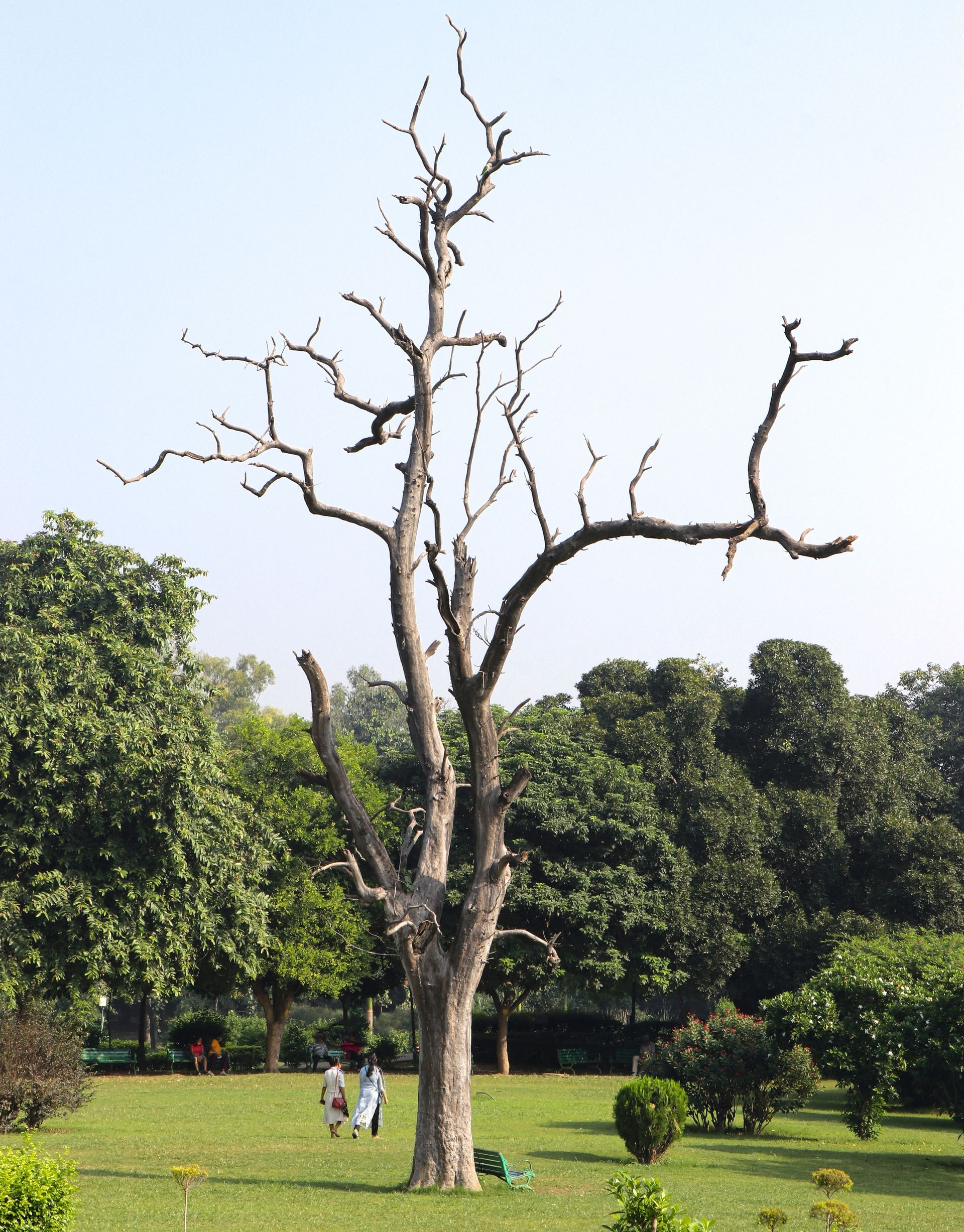
Regular tree maintenance helps identify potential hazards such as dead branches, diseased trees, or unstable growth patterns that could pose risks to public safety and property. By proactively addressing these issues through professional tree care services, we help mitigate the risk of tree-related accidents and property damage, ensuring the safety and security of our community members.


As we celebrate this monumental milestone, we remain committed to upholding the highest standards of arboriculture and customer service. Our journey to excellence is an ongoing endeavor, and we are dedicated to continuously improving and innovating to better serve our community and the environment.


Once again, thank you to everyone who has contributed to our success.

Check out the latest:

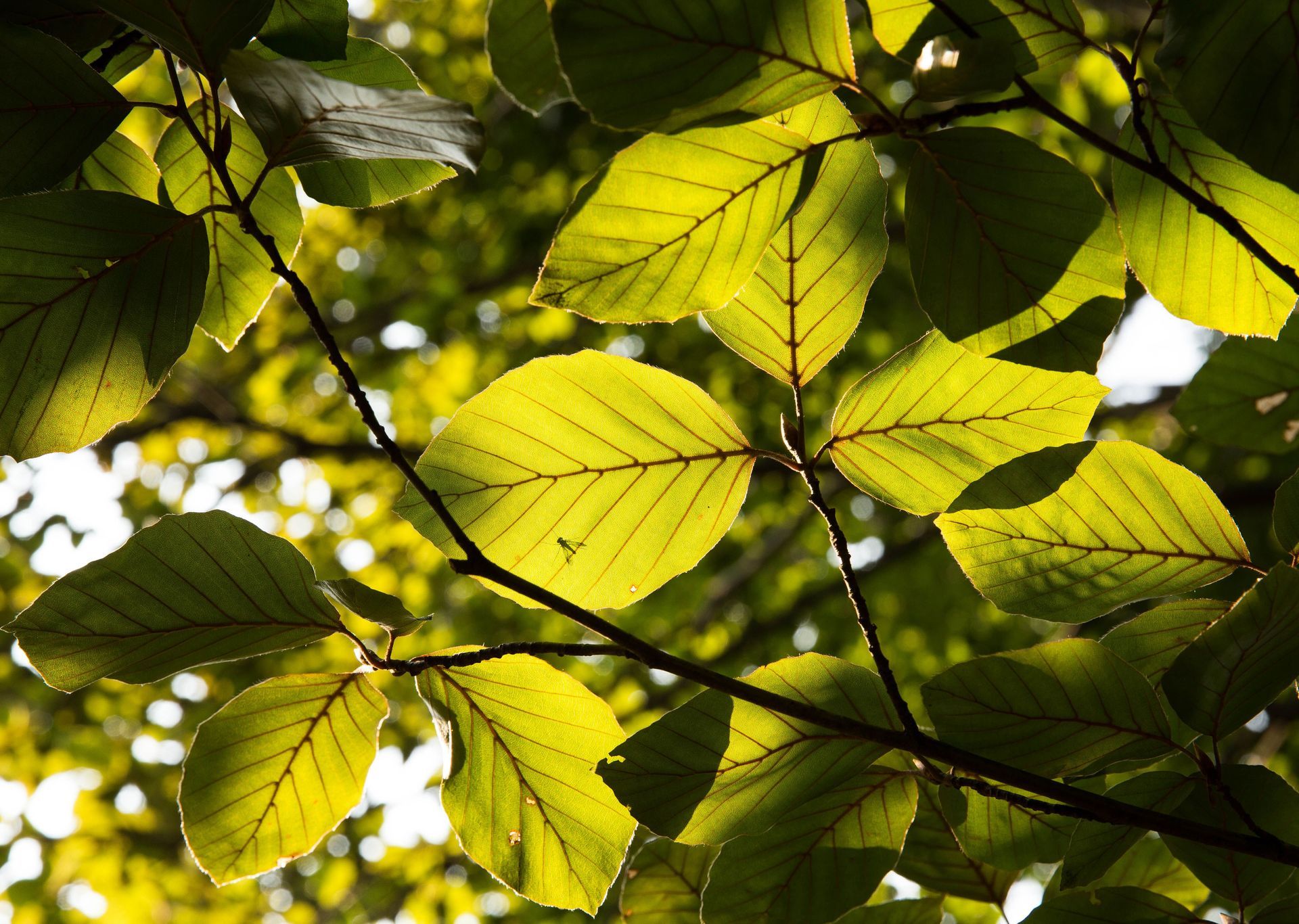
Sunlit yellow-green leaves on tree branches, backlit against a bright sky
By Erika Kern July 28, 2026
For years, Beech Leaf Disease (BLD) has been one of the most alarming threats facing North America's forests. Since its discovery in Ohio in 2012, the disease has spread rapidly throughout the northeast and mid-Atlantic regions, affecting both native American beech and ornamental beech tree species. When the disease first appeared, there were very few answers and much concern. Many arborists and homeowners feared removal was inevitable once symptoms appeared. While BLD remains a serious concern today, researchers at universities and institutions across the country have identified several treatment options that can significantly reduce disease severity and improve tree health. Although these treatments do not cure the disease, they can help slow the progression and preserve our forest ecosystem.
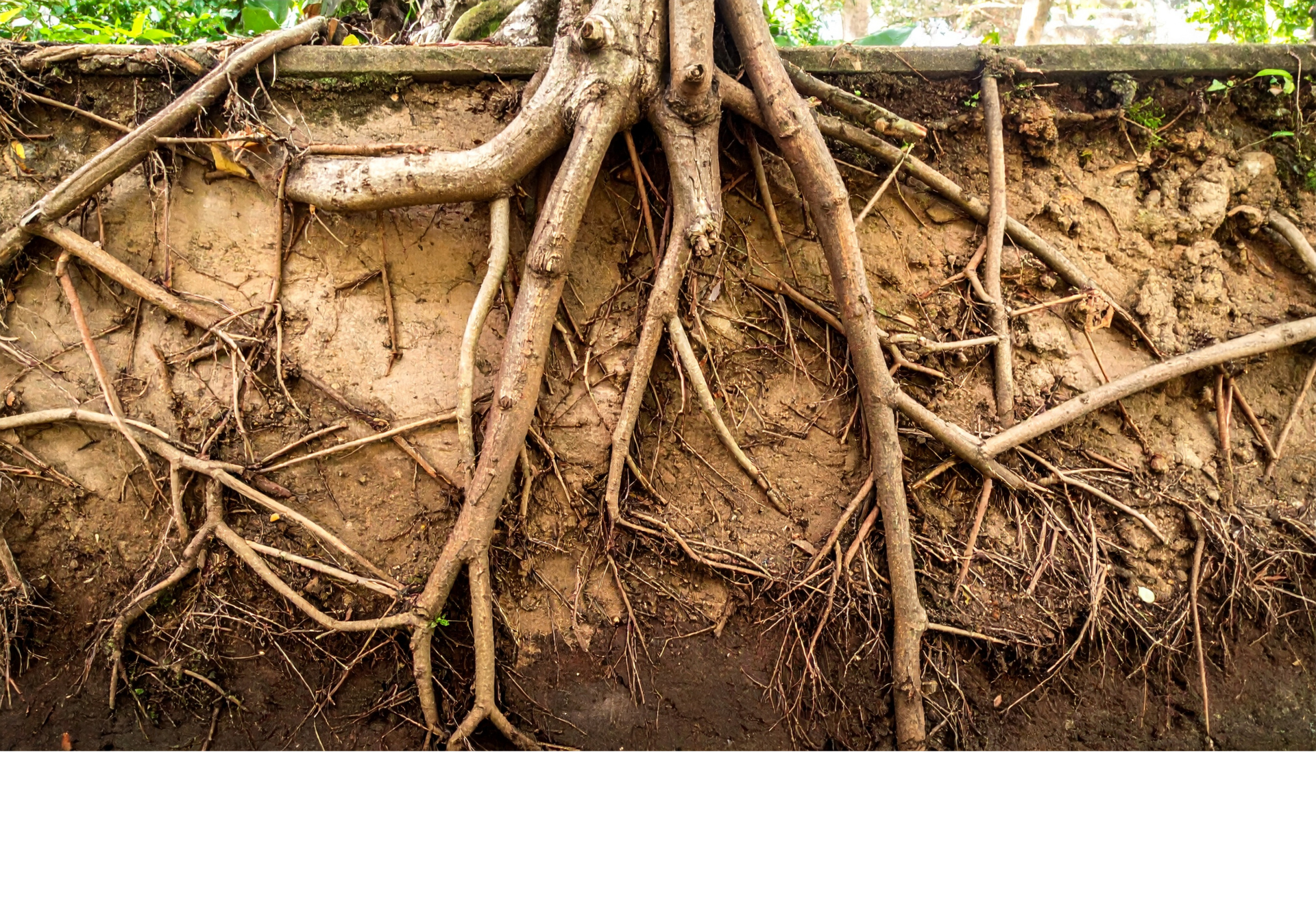
Exposed tree roots spread through brown soil in a close-up cross-section of the ground.
By Erika Kern June 26, 2026
If tree roots could tell a story, they'd sure have a lot to say. From fungal networks to microbial activity, there is much more going on behind the scenes than we may think. So what really goes on in the root zone of a tree? And what can we do to protect this hidden ecosystem?
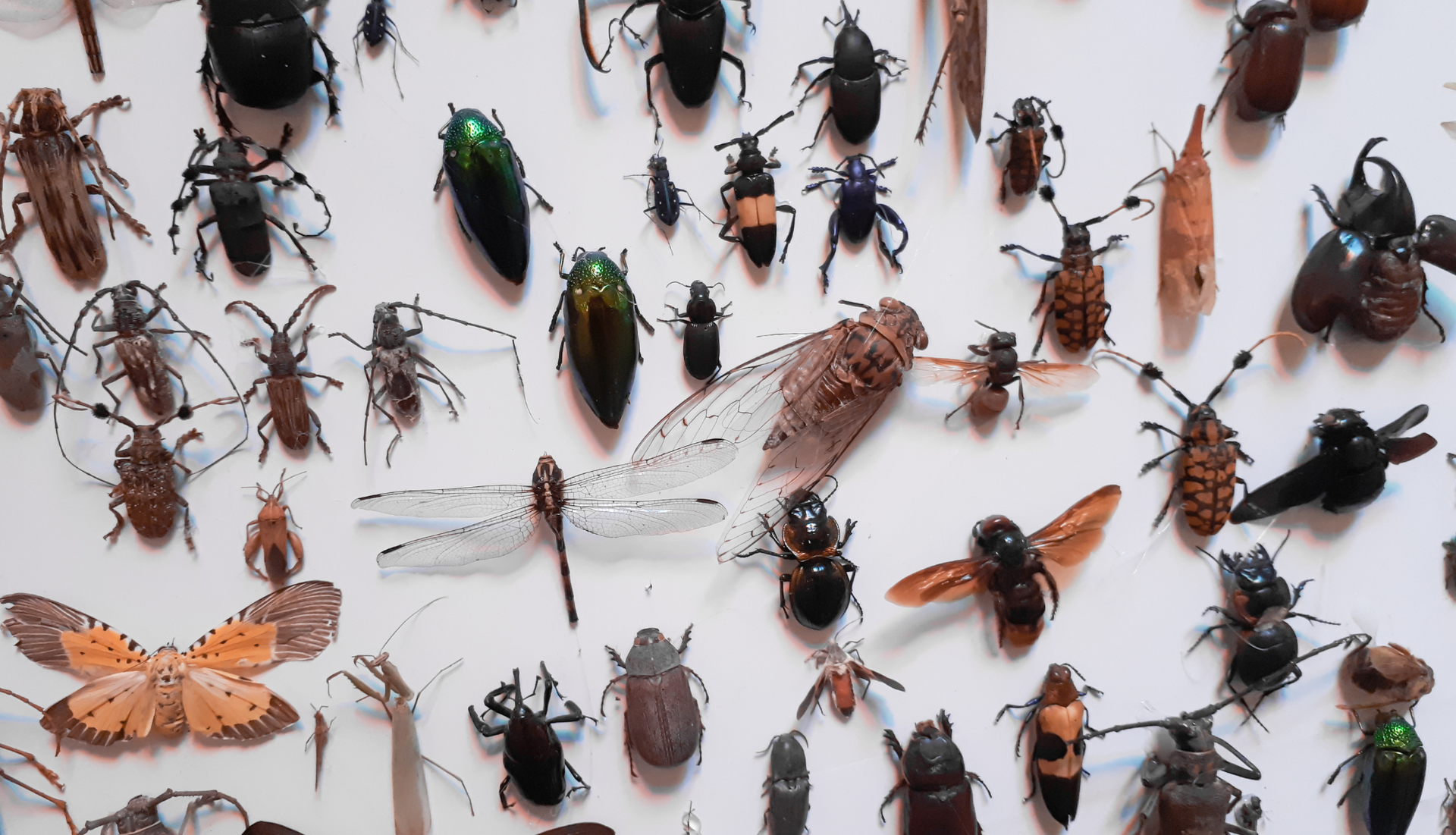
Pinned insect specimens on a white background, including beetles, moths, ants, and winged insects.
By Erika Kern May 29, 2026
Let's be real-- most people don't give a second thought to the lives of insects. You may be one of those people. But we're here to share the reasons you may want to care-- or at least recognize their importance in our environment.
A brown and white cow stands in a grassy field next to a small, white donkey, framed by tree branches overhead.
By Erika Kern April 8, 2026
Many farmers use wood chips as bedding for their livestock, but did you know that some tree species are highly toxic to your animals? Let's dive into the 7 species to avoid, and which alternatives are a safer option.
Blue spruce tree branches with light blue needles.
By Erika Kern November 28, 2025
The Colorado blue spruce is a medium-to-large evergreen conifer that typically reaches 30–60 feet tall in cultivation, and up to 75–100 feet in the wild. Its most distinguishing feature is its stiff, sharp needles that range in color from silvery blue to powdery steel-blue.
Two green pine trees are silhouetted against a white background.

Sign up for monthly newsletters!

From easy tree care practices to fun DIY projects, we've got something for everyone.

Sign up for monthly newsletters!

From easy tree care practices to fun DIY projects, we've got something for everyone.

Sunlit yellow-green leaves on tree branches, backlit against a bright sky
By Erika Kern July 28, 2026
For years, Beech Leaf Disease (BLD) has been one of the most alarming threats facing North America's forests. Since its discovery in Ohio in 2012, the disease has spread rapidly throughout the northeast and mid-Atlantic regions, affecting both native American beech and ornamental beech tree species. When the disease first appeared, there were very few answers and much concern. Many arborists and homeowners feared removal was inevitable once symptoms appeared. While BLD remains a serious concern today, researchers at universities and institutions across the country have identified several treatment options that can significantly reduce disease severity and improve tree health. Although these treatments do not cure the disease, they can help slow the progression and preserve our forest ecosystem.
Exposed tree roots spread through brown soil in a close-up cross-section of the ground.
By Erika Kern June 26, 2026
If tree roots could tell a story, they'd sure have a lot to say. From fungal networks to microbial activity, there is much more going on behind the scenes than we may think. So what really goes on in the root zone of a tree? And what can we do to protect this hidden ecosystem?
Pinned insect specimens on a white background, including beetles, moths, ants, and winged insects.
By Erika Kern May 29, 2026
Let's be real-- most people don't give a second thought to the lives of insects. You may be one of those people. But we're here to share the reasons you may want to care-- or at least recognize their importance in our environment.
A brown and white cow stands in a grassy field next to a small, white donkey, framed by tree branches overhead.
By Erika Kern April 8, 2026
Many farmers use wood chips as bedding for their livestock, but did you know that some tree species are highly toxic to your animals? Let's dive into the 7 species to avoid, and which alternatives are a safer option.
More Posts
4 Seasons arborscapes logo 1

Interested in what we can do for you?