

Ways to Upcycle Tree Branches and Logs

November 26, 2022

When you have to cut a beloved tree down in your yard, there are so many ways to upcycle the pieces to keep the memories alive in your house and outside.

Ideas for inside your home

  • pencil holder
  • one of a kind handrail
  • indoor/outdoor coffee table
  • houseplant holders
  • cat tree
  • branch wall art
  • clock
  • cutting board
  • wood heart

Ideas for outside

  • rustic fencing
  • garden arbor
  • bug house
  • garden walkway
  • tree stump planter
  • garden edging


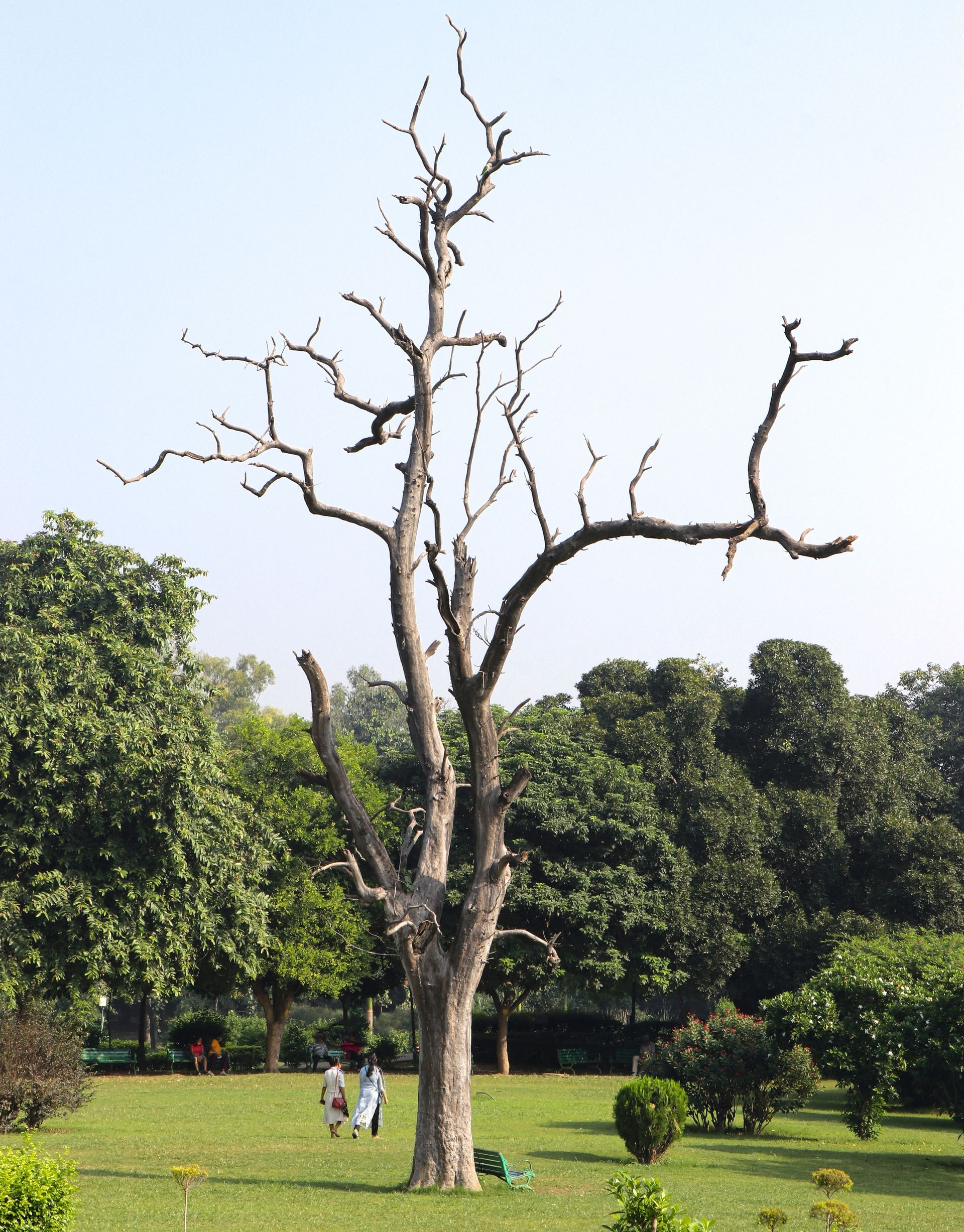
If you can leave a dead tree standing safely, it will be used by wildlife for nesting, perching, and as a food source. Dead trees can be an environment for moss and fungi. Birds like woodpeckers will create nest holes in them. When they leave, the holes are ready-made nesting sites for other bird species, such as chickadees, titmice, nuthatches, wrens and even owls. Tree cavities provide winter cover from harsh weather and a place to hide from predators. Dead trees are components of an ecosystem that will eventually create rich soil, that can be used in your garden.


An easy way to use up dead wood is chip it into mulch or cut it up for firewood.


References:

50 Ways to Upcycle Tree Branches and Logs - Living Vintage (livingvintageco.com)

6 Ways to Upcycle Dead Trees (arbordayblog.org)

10 Clever Things To Do With Fallen Tree Branches and Tree Trunks (urnabios.com)

Drop that Saw and Leave the Dead Trees Standing! | Habitat Corridors

Images - Canva

Check out the latest:
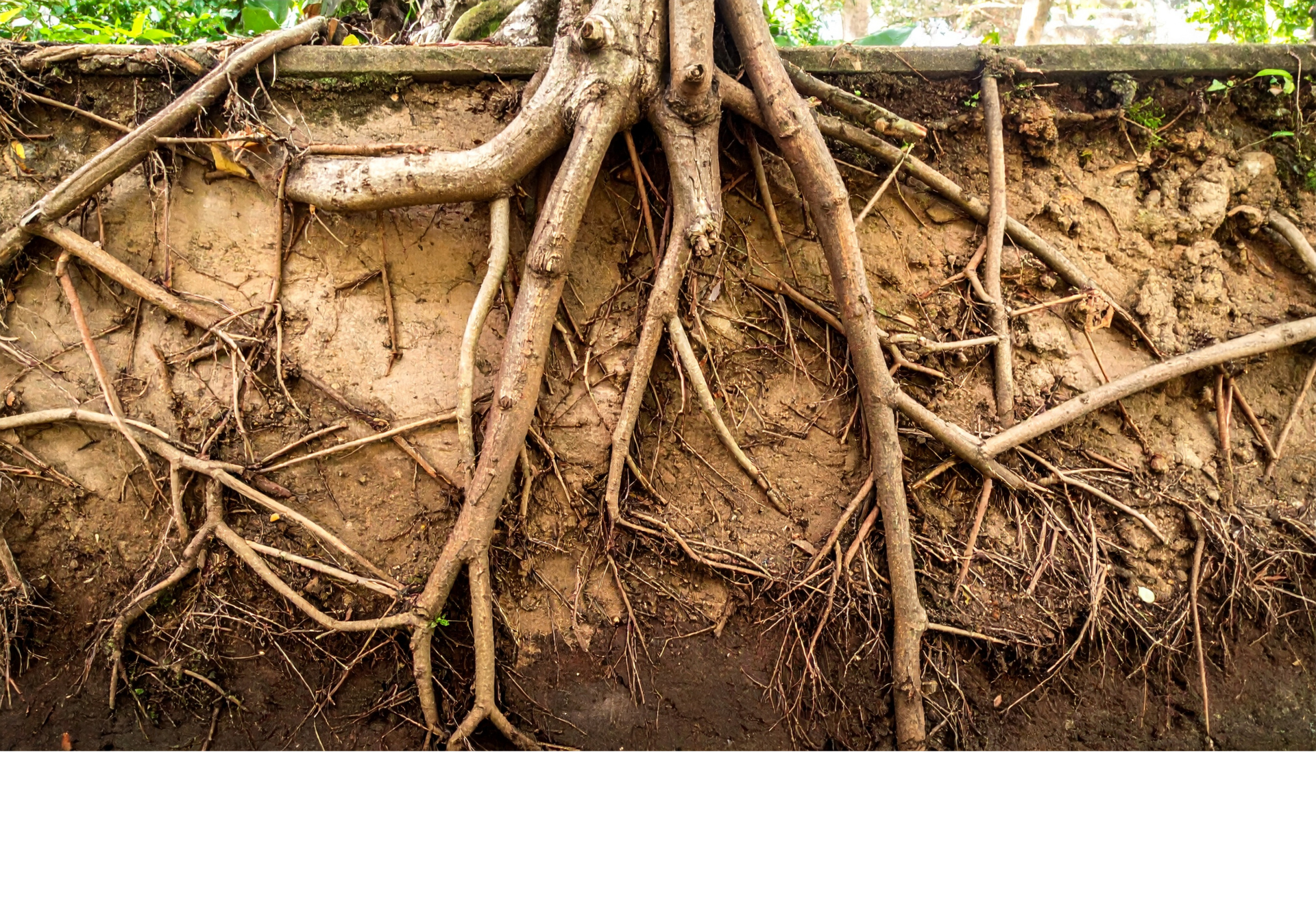
Exposed tree roots spread through brown soil in a close-up cross-section of the ground.
By Erika Kern June 26, 2026
If tree roots could tell a story, they'd sure have a lot to say. From fungal networks to microbial activity, there is much more going on behind the scenes than we may think. So what really goes on in the root zone of a tree? And what can we do to protect this hidden ecosystem?
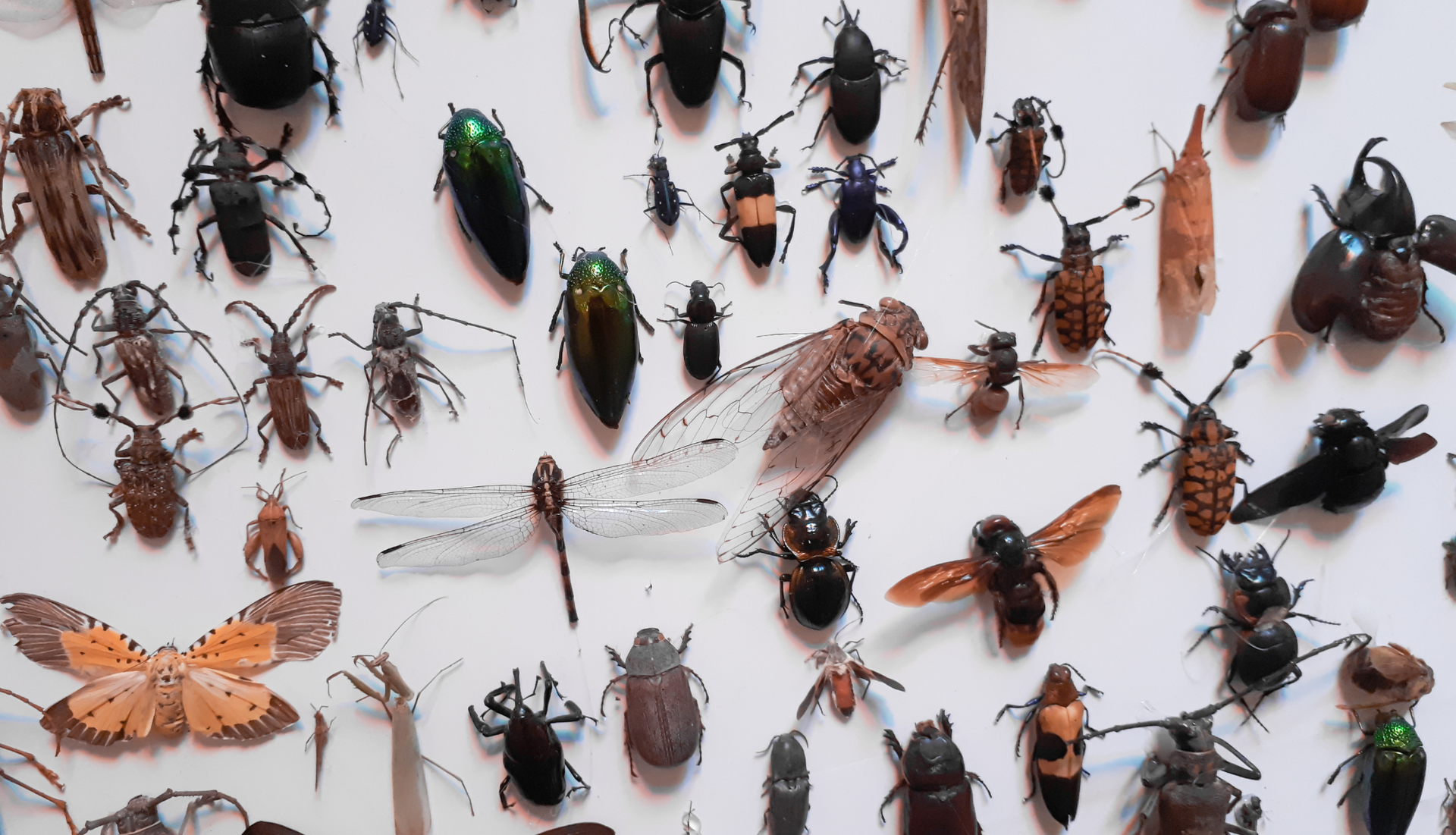
Pinned insect specimens on a white background, including beetles, moths, ants, and winged insects.
By Erika Kern May 29, 2026
Let's be real-- most people don't give a second thought to the lives of insects. You may be one of those people. But we're here to share the reasons you may want to care-- or at least recognize their importance in our environment.
A brown and white cow stands in a grassy field next to a small, white donkey, framed by tree branches overhead.
By Erika Kern April 8, 2026
Many farmers use wood chips as bedding for their livestock, but did you know that some tree species are highly toxic to your animals? Let's dive into the 7 species to avoid, and which alternatives are a safer option.
Blue spruce tree branches with light blue needles.
By Erika Kern November 28, 2025
The Colorado blue spruce is a medium-to-large evergreen conifer that typically reaches 30–60 feet tall in cultivation, and up to 75–100 feet in the wild. Its most distinguishing feature is its stiff, sharp needles that range in color from silvery blue to powdery steel-blue.
Bee on a stone surface, wings partially spread, looking forward with sunlight illuminating the scene.
By Erika Kern November 24, 2025
When most people think about supporting pollinators, they picture bright summer flowers and buzzing gardens. But the truth is this: bees need help long before spring arrives. Winter is one of the most critical periods for their survival, yet also the most overlooked.
Two green pine trees are silhouetted against a white background.

Sign up for monthly newsletters!

From easy tree care practices to fun DIY projects, we've got something for everyone.

Sign up for monthly newsletters!

From easy tree care practices to fun DIY projects, we've got something for everyone.

Exposed tree roots spread through brown soil in a close-up cross-section of the ground.
By Erika Kern June 26, 2026
If tree roots could tell a story, they'd sure have a lot to say. From fungal networks to microbial activity, there is much more going on behind the scenes than we may think. So what really goes on in the root zone of a tree? And what can we do to protect this hidden ecosystem?
Pinned insect specimens on a white background, including beetles, moths, ants, and winged insects.
By Erika Kern May 29, 2026
Let's be real-- most people don't give a second thought to the lives of insects. You may be one of those people. But we're here to share the reasons you may want to care-- or at least recognize their importance in our environment.
A brown and white cow stands in a grassy field next to a small, white donkey, framed by tree branches overhead.
By Erika Kern April 8, 2026
Many farmers use wood chips as bedding for their livestock, but did you know that some tree species are highly toxic to your animals? Let's dive into the 7 species to avoid, and which alternatives are a safer option.
Blue spruce tree branches with light blue needles.
By Erika Kern November 28, 2025
The Colorado blue spruce is a medium-to-large evergreen conifer that typically reaches 30–60 feet tall in cultivation, and up to 75–100 feet in the wild. Its most distinguishing feature is its stiff, sharp needles that range in color from silvery blue to powdery steel-blue.
More Posts
4 Seasons arborscapes logo 1

Interested in what we can do for you?