

Winterizing Your Trees and Shrubs

November 28, 2022

As temperatures drop and the cold is ushered in, our trees are already preparing themselves for the coming winter.


Dormancy is a vital survival strategy for your tree, enabling it to endure harsh cold weather by entering a state of reduced activity or temporary hibernation. This adaptive trait plays a crucial role in helping trees cope with freezing temperatures, arid conditions, and limited access to water and nutrients.


While trees and shrubs possess this natural ability, they can still benefit from our assistance in ensuring their protection. With this in mind, here are some valuable tips on how to effectively prepare your trees for the winter season.

Pruning Pruning during the autumn season will promote the emergence of fresh growth in the spring.


During fall, it is advisable to remove any decaying or lifeless branches. It may also be necessary to trim branches that could potentially snap due to the weight of snow or ice.


Ensure you are equipped with sharp shears and carefully cut the branch above and below the branch collar, avoiding the temptation to remove the branch in a single cut.


Note: If you have evergreens that you've recently pruned or cut down, don't let that beautiful foliage go to waste. Instead, put it to good use and create stunning holiday decorations!

Watering - To thrive, trees require proper hydration to absorb essential nutrients from the soil and maintain a healthy root system. During dormant months, the soil surrounding the tree is susceptible to drying out, as the tree tends to lose more moisture than it can replenish.


Continue watering your plants, trees, and shrubs consistently until the first freeze sets in.

Fertilizer Treatments

Apply your final fertilizer treatment 6 weeks prior to the initial freeze.
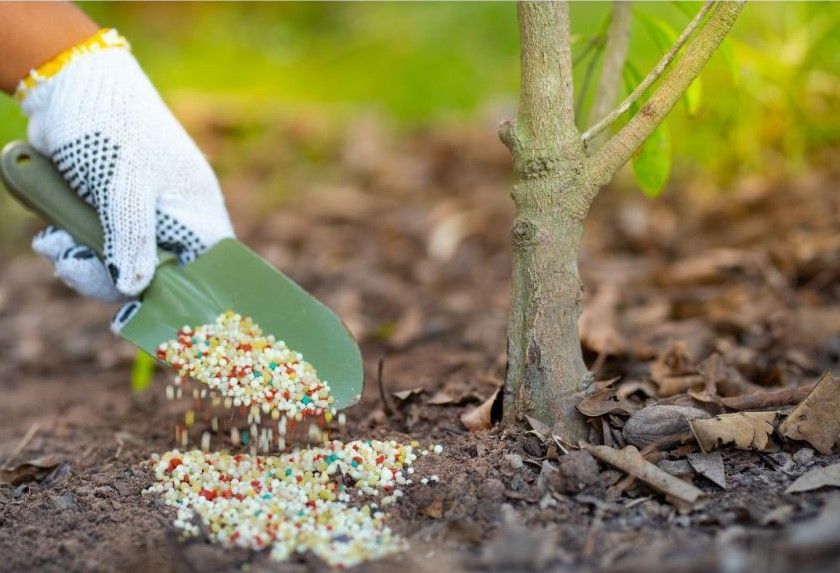
tree fertilizer

Mulching - acts as a weed deterrent and helps maintain moisture during the growing season. Mulch can protect the tree's roots from extreme temperatures.


  • Mulch can help insulate topsoil, place a shallow spread around trees, do not pile against the tree trunk.
  • Spread the mulch as far as the branches spread.
  • Sawdust, compost, straw, leaf waste and wood chips are good for winter mulching.

Wind Protection - will protect trees and shrubs from not just wind but snow and ice.


  • For wind protection, put stakes around smaller trees and shrubs. Burlap can be wrapped around the stakes and stapled.
  • For evergreens that are a manageable size, wrap the entire evergreen in burlap.
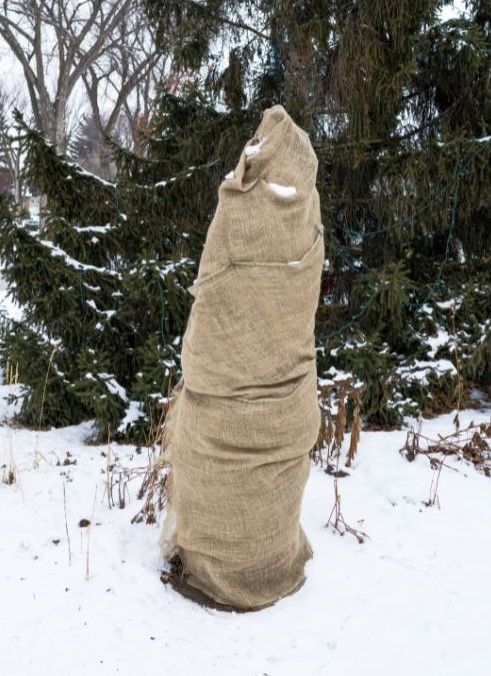
burlapped wrapped tree

Tree Wraps - protect the tree trunk against the sun scald and frost cracks due to temperature fluctuations. It helps protect the tree trunk from rabbits chewing on them.


  • Wrap the tree trunk up to about the first branches.
  • The wrap needs to be removed in the spring.

Checklist on preparing your trees and shrubs for winter

1.      Fertilize

2.      Remove dead or damaged wood

3.      Prune branches that will touch the ground when loaded with snow/ice

4.      Remove dead bark, pests will like that during winter

5.      Spread a thin layer of mulch

6.      Wrap young trees

7.      Watering may be needed where soils are cool but not frozen


With winter almost here, caring for your trees is important. Each of the tips above will help to protect your trees during this season. 


Check out the latest:
Sunlit yellow-green leaves on tree branches, backlit against a bright sky
By Erika Kern July 28, 2026
For years, Beech Leaf Disease (BLD) has been one of the most alarming threats facing North America's forests. Since its discovery in Ohio in 2012, the disease has spread rapidly throughout the northeast and mid-Atlantic regions, affecting both native American beech and ornamental beech tree species. When the disease first appeared, there were very few answers and much concern. Many arborists and homeowners feared removal was inevitable once symptoms appeared. While BLD remains a serious concern today, researchers at universities and institutions across the country have identified several treatment options that can significantly reduce disease severity and improve tree health. Although these treatments do not cure the disease, they can help slow the progression and preserve our forest ecosystem.
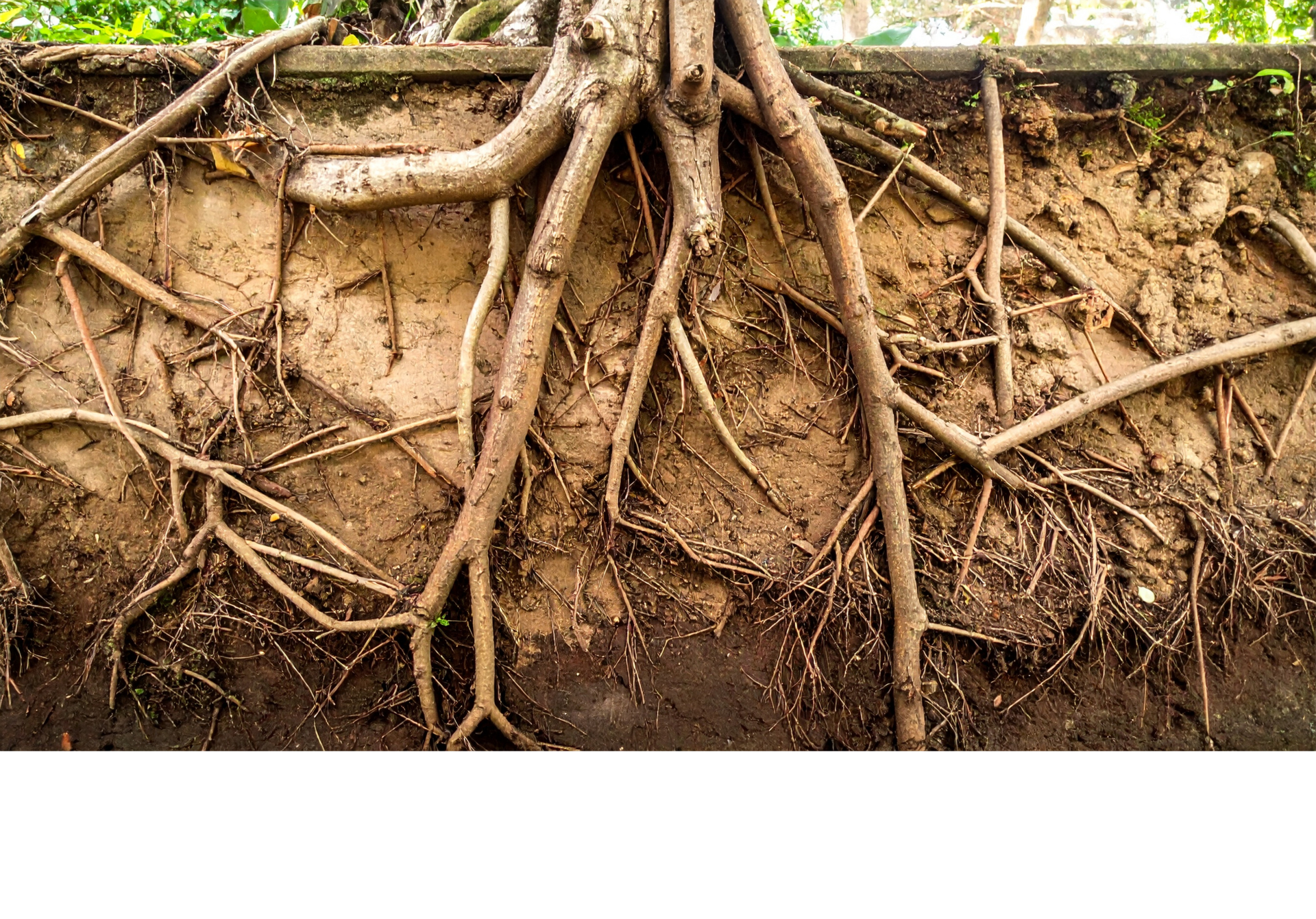
Exposed tree roots spread through brown soil in a close-up cross-section of the ground.
By Erika Kern June 26, 2026
If tree roots could tell a story, they'd sure have a lot to say. From fungal networks to microbial activity, there is much more going on behind the scenes than we may think. So what really goes on in the root zone of a tree? And what can we do to protect this hidden ecosystem?
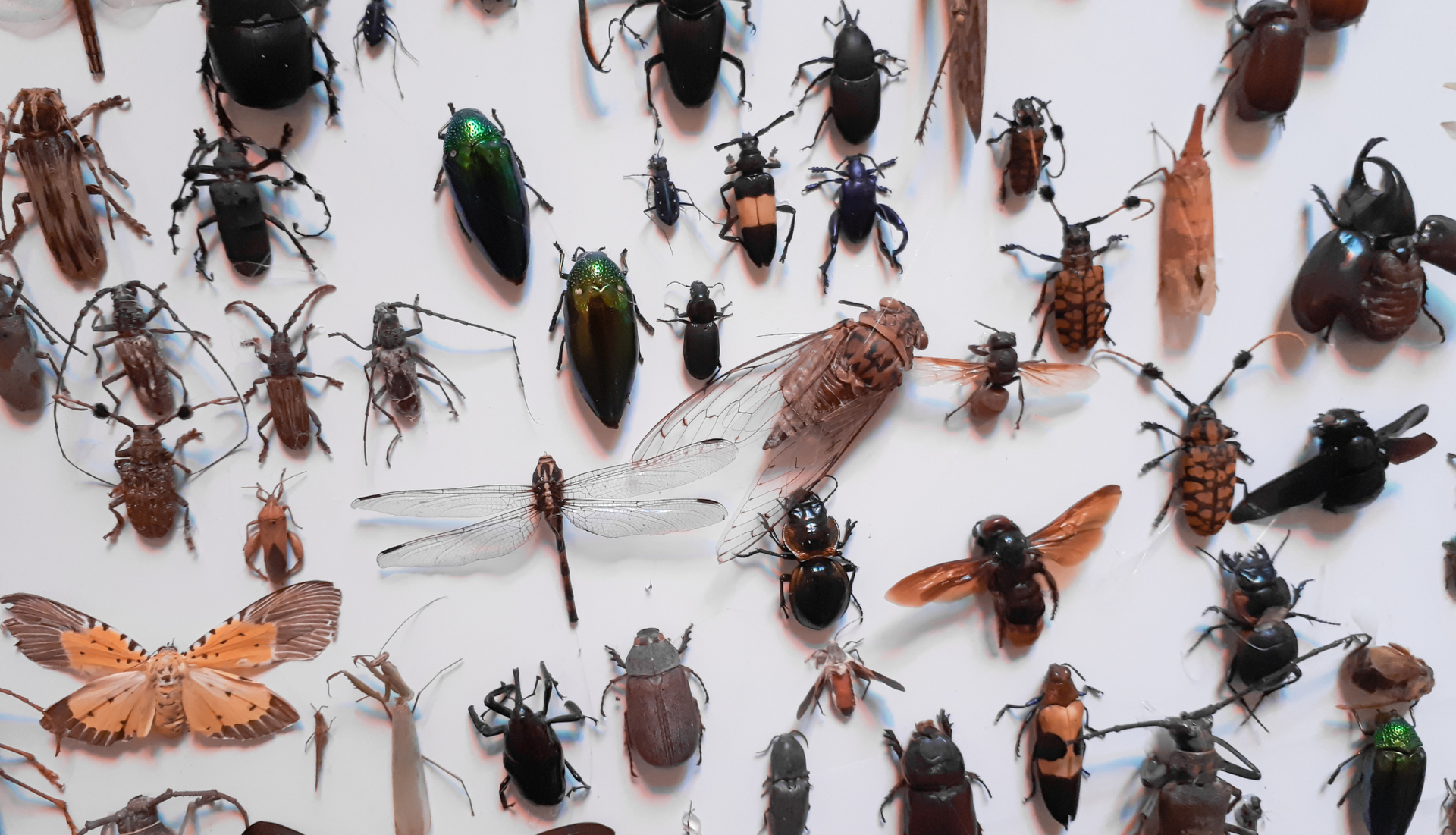
Pinned insect specimens on a white background, including beetles, moths, ants, and winged insects.
By Erika Kern May 29, 2026
Let's be real-- most people don't give a second thought to the lives of insects. You may be one of those people. But we're here to share the reasons you may want to care-- or at least recognize their importance in our environment.
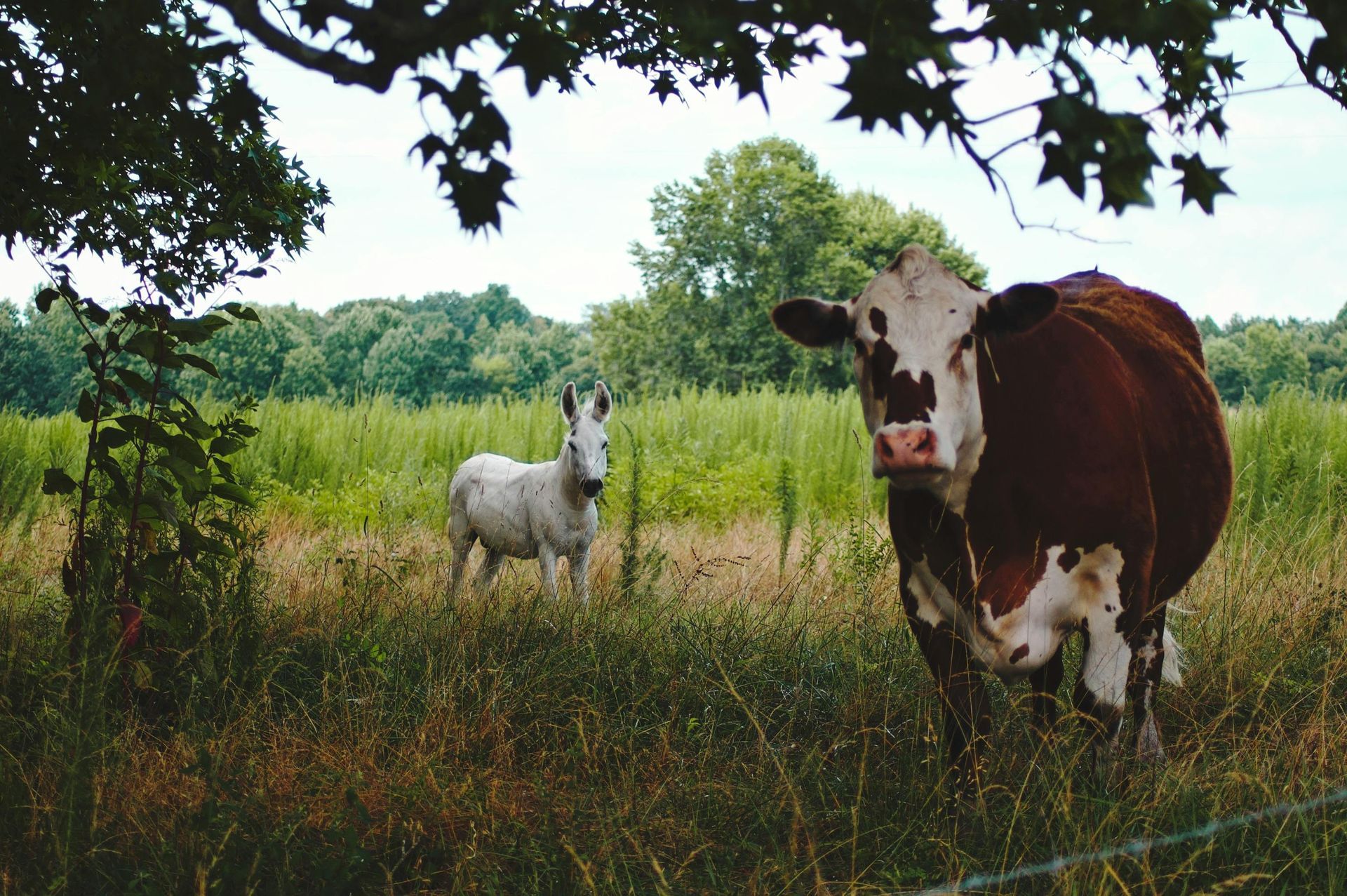
A brown and white cow stands in a grassy field next to a small, white donkey, framed by tree branches overhead.
By Erika Kern April 8, 2026
Many farmers use wood chips as bedding for their livestock, but did you know that some tree species are highly toxic to your animals? Let's dive into the 7 species to avoid, and which alternatives are a safer option.
Blue spruce tree branches with light blue needles.
By Erika Kern November 28, 2025
The Colorado blue spruce is a medium-to-large evergreen conifer that typically reaches 30–60 feet tall in cultivation, and up to 75–100 feet in the wild. Its most distinguishing feature is its stiff, sharp needles that range in color from silvery blue to powdery steel-blue.
Two green pine trees are silhouetted against a white background.

Sign up for monthly newsletters!

From easy tree care practices to fun DIY projects, we've got something for everyone.

Sign up for monthly newsletters!

From easy tree care practices to fun DIY projects, we've got something for everyone.

Sunlit yellow-green leaves on tree branches, backlit against a bright sky
By Erika Kern July 28, 2026
For years, Beech Leaf Disease (BLD) has been one of the most alarming threats facing North America's forests. Since its discovery in Ohio in 2012, the disease has spread rapidly throughout the northeast and mid-Atlantic regions, affecting both native American beech and ornamental beech tree species. When the disease first appeared, there were very few answers and much concern. Many arborists and homeowners feared removal was inevitable once symptoms appeared. While BLD remains a serious concern today, researchers at universities and institutions across the country have identified several treatment options that can significantly reduce disease severity and improve tree health. Although these treatments do not cure the disease, they can help slow the progression and preserve our forest ecosystem.
Exposed tree roots spread through brown soil in a close-up cross-section of the ground.
By Erika Kern June 26, 2026
If tree roots could tell a story, they'd sure have a lot to say. From fungal networks to microbial activity, there is much more going on behind the scenes than we may think. So what really goes on in the root zone of a tree? And what can we do to protect this hidden ecosystem?
Pinned insect specimens on a white background, including beetles, moths, ants, and winged insects.
By Erika Kern May 29, 2026
Let's be real-- most people don't give a second thought to the lives of insects. You may be one of those people. But we're here to share the reasons you may want to care-- or at least recognize their importance in our environment.
A brown and white cow stands in a grassy field next to a small, white donkey, framed by tree branches overhead.
By Erika Kern April 8, 2026
Many farmers use wood chips as bedding for their livestock, but did you know that some tree species are highly toxic to your animals? Let's dive into the 7 species to avoid, and which alternatives are a safer option.
More Posts
4 Seasons arborscapes logo 1

Interested in what we can do for you?