A big thank you to everyone who helped make this event happen—our volunteers, the township, and the 4 Seasons crew.
Planting with a Purpose
The start of something new
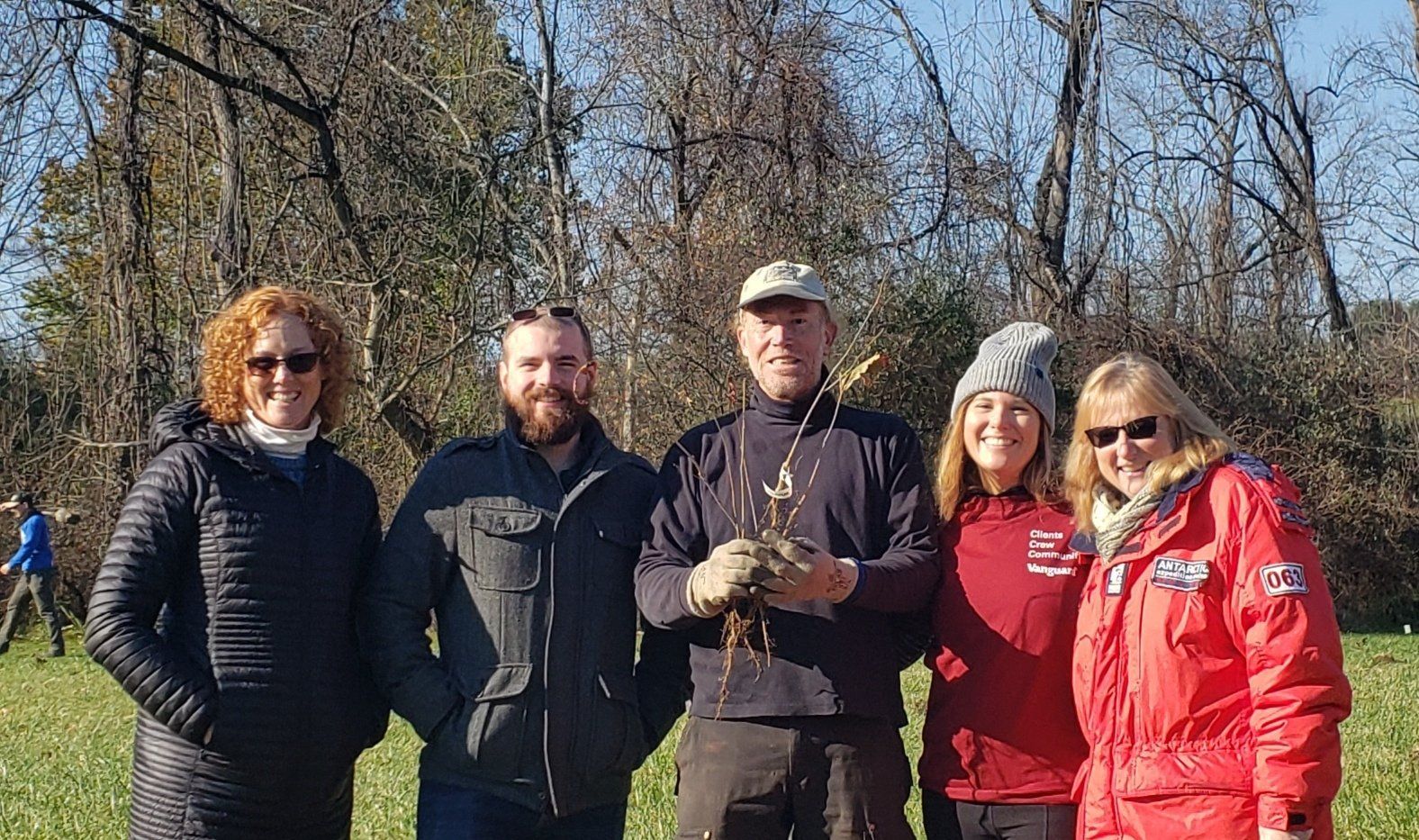
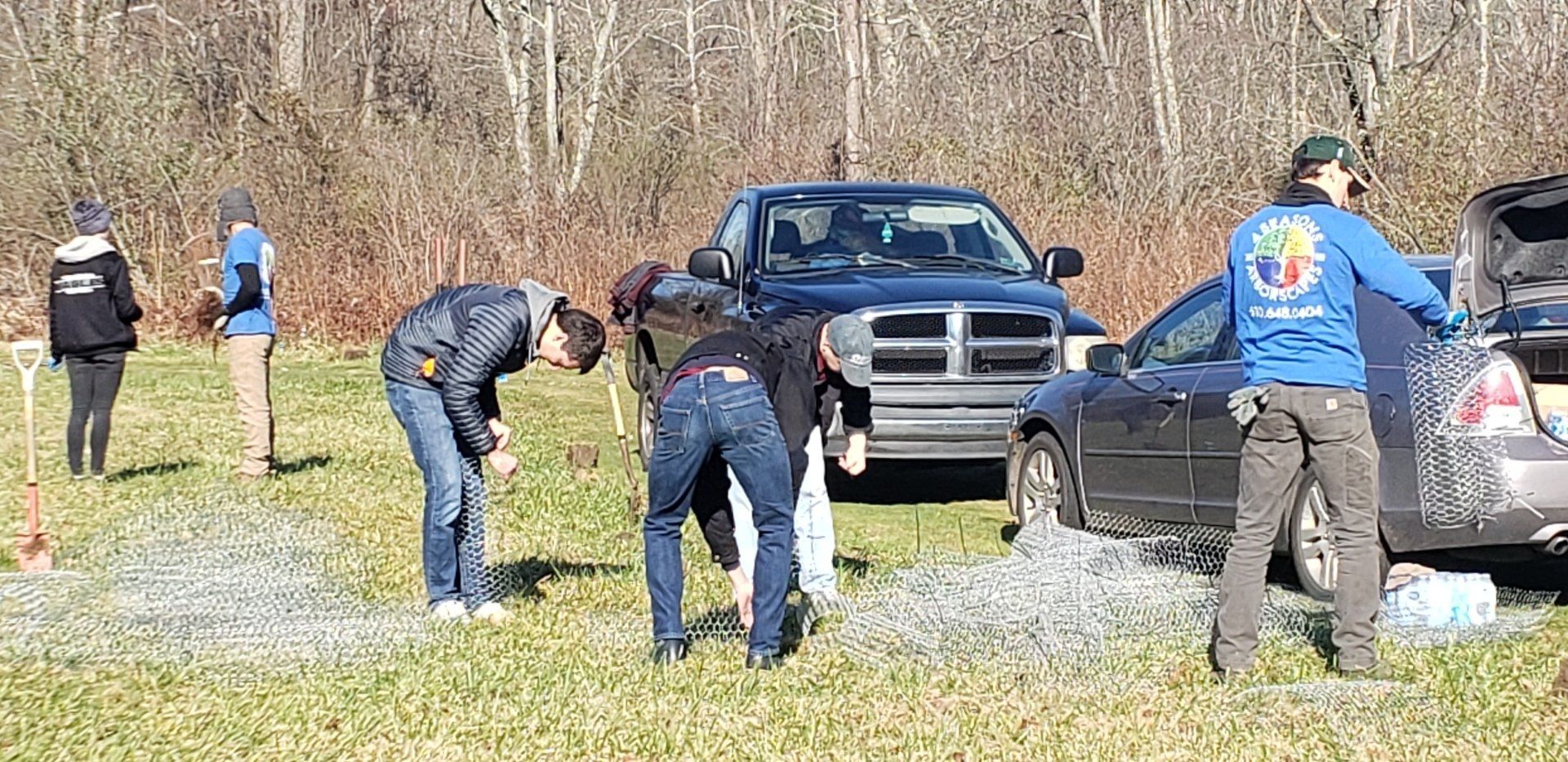
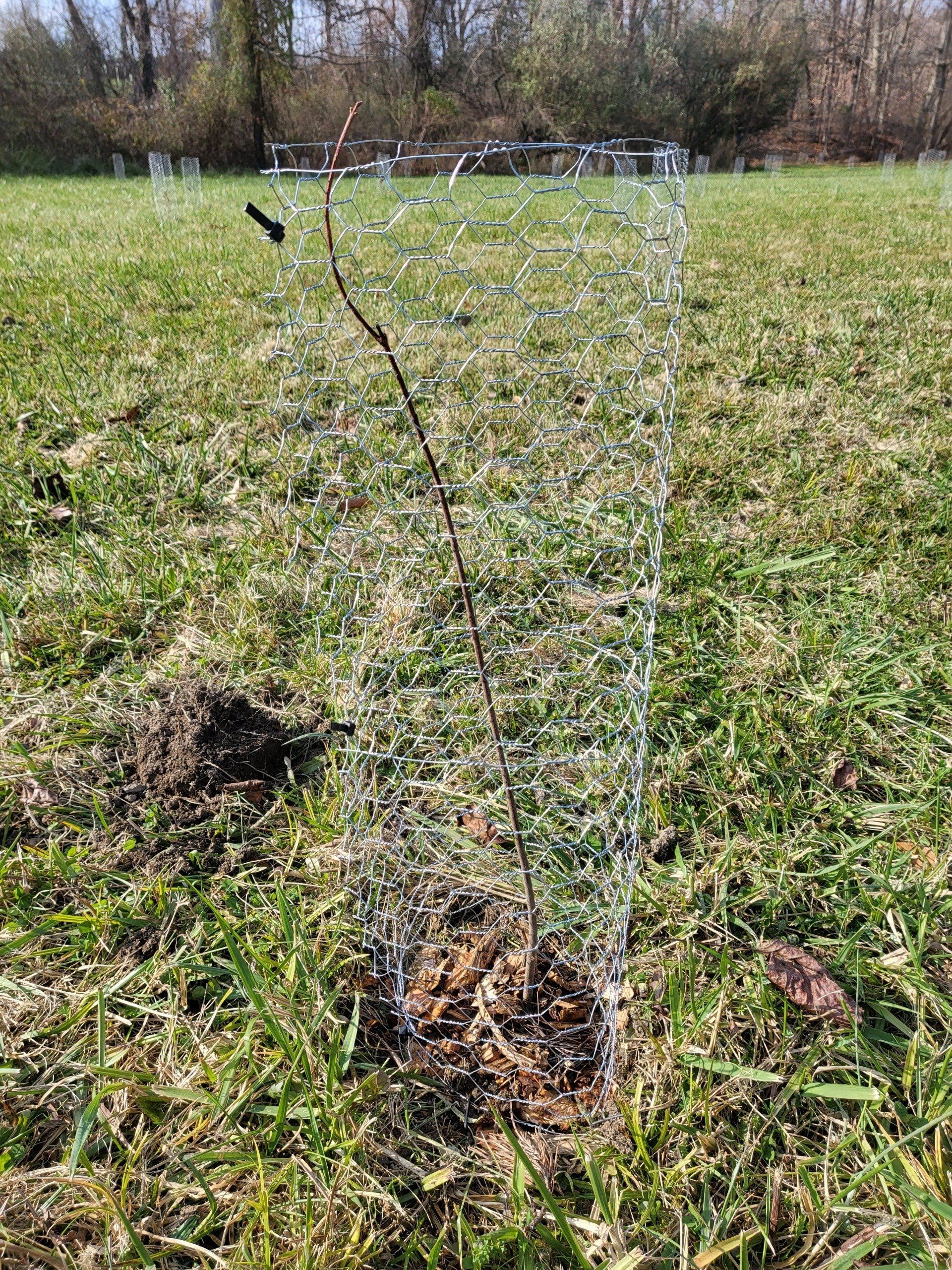
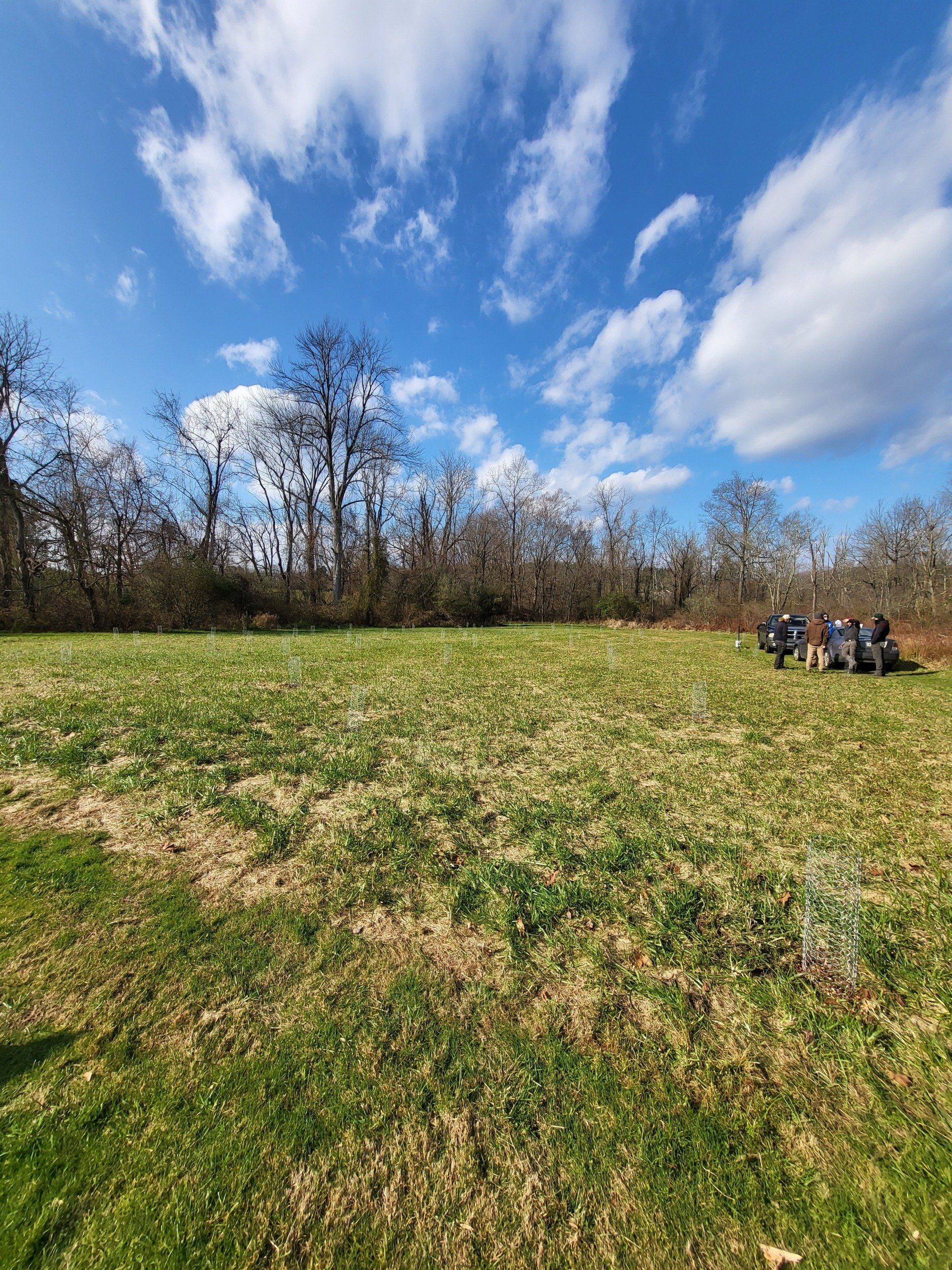
November 18th, 2022, marks the launch of our Annual Tree Planting Program, an event where 4 Seasons Arborscapes and volunteers from Vanguard came together to plant over 100 saplings at Pine Creek Park in West Pikeland Township.
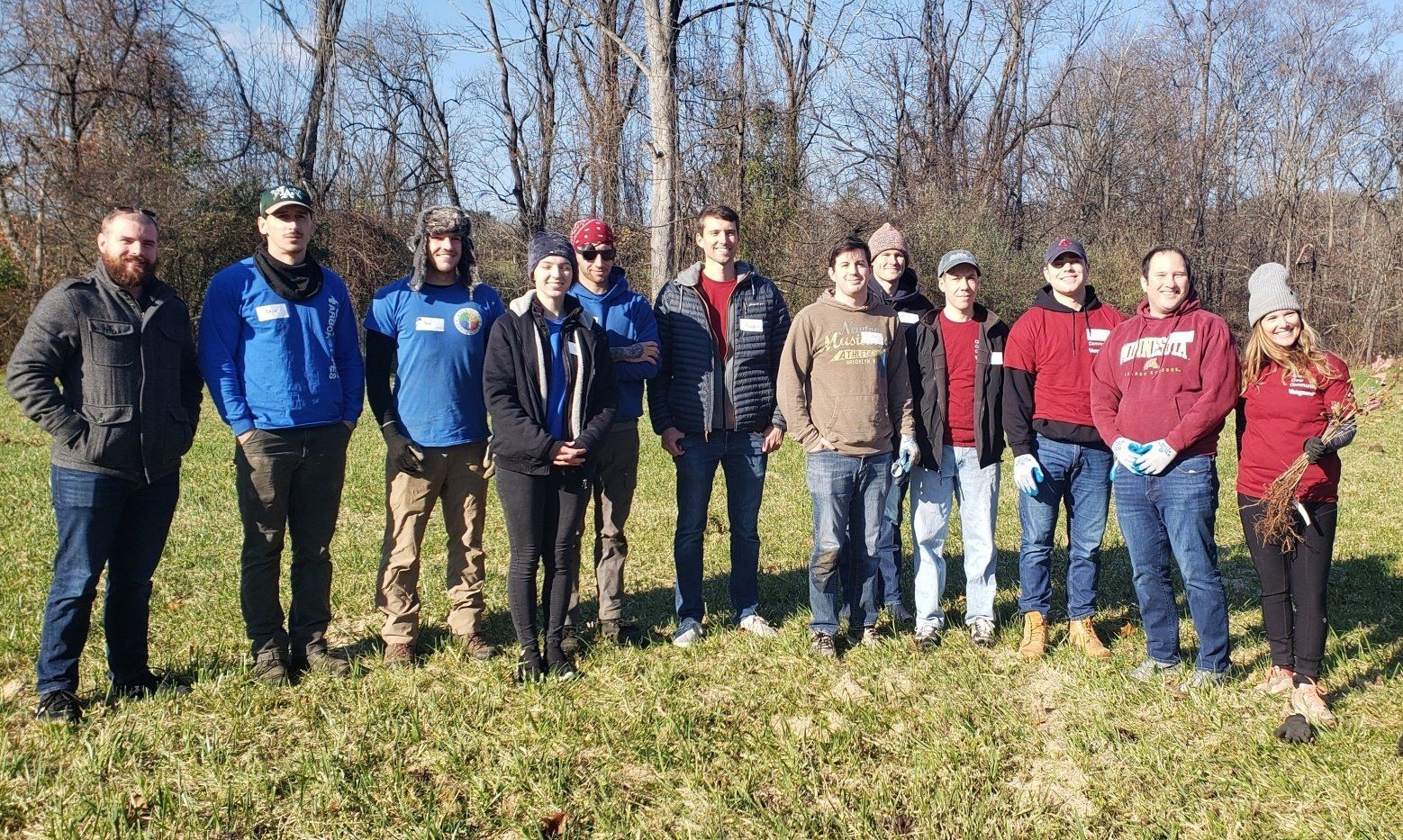
With support and knowledgeable insight from Sarah Newman from the West Pikeland Environmental Council, we selected 4 species of trees to plant: Sycamore, White Oak, Red Oak, and Silver Maple.
This event was meant not only to increase local biodiversity and provide reinforcement to struggling watershed areas, but to also recognize and show appreciation for 4 Seasons’ loyal customers.
Why does biodiversity matter?
Biodiversity is the variation of life at all levels of biological organization¹. It includes all the living things that surround us, from tiny microorganisms to large animals, from the towering trees to the rivers and seas. Biodiversity is necessary for human survival as it “underpins the services nature provides that sustain our lives, so it’s essential that we protect it and work to improve it²”. The greater the biodiversity in ecosystems, species, and individuals leads to greater stability¹.
The plan for Pine Creek Park is to plant and maintain a variety of tree species that could provide homes for wildlife, protect watershed areas from erosion, and prevent the spread of fatal pests and diseases amongst the trees (think Emerald Ash Borer).
The effects of excessive erosion on our creek systems
Erosion in our creeks and rivers to a certain extent is normal and expected, but in excess can completely alter the course and vitality of a creek system. If erosion is high, particles are deposited in riverbeds or available banks, causing these areas to flood during a rainstorm.
We planted Sycamores Pine Creek, due to their preference for moist conditions, to help strengthen the riverbank. The rest of the trees were scattered throughout a field that is predisposed to flooding to help mitigate water build up during these times.
How can you get involved?
Besides the environmental benefits, we planned this event with our customers in mind. Each customer that met a threshold in providing financial support to 4 Seasons during the year was awarded a proportionate number of trees in recognition of their loyalty to our company and our vision. You don’t have to do anything but continue with your loyal support of our organization!
Check out the latest:
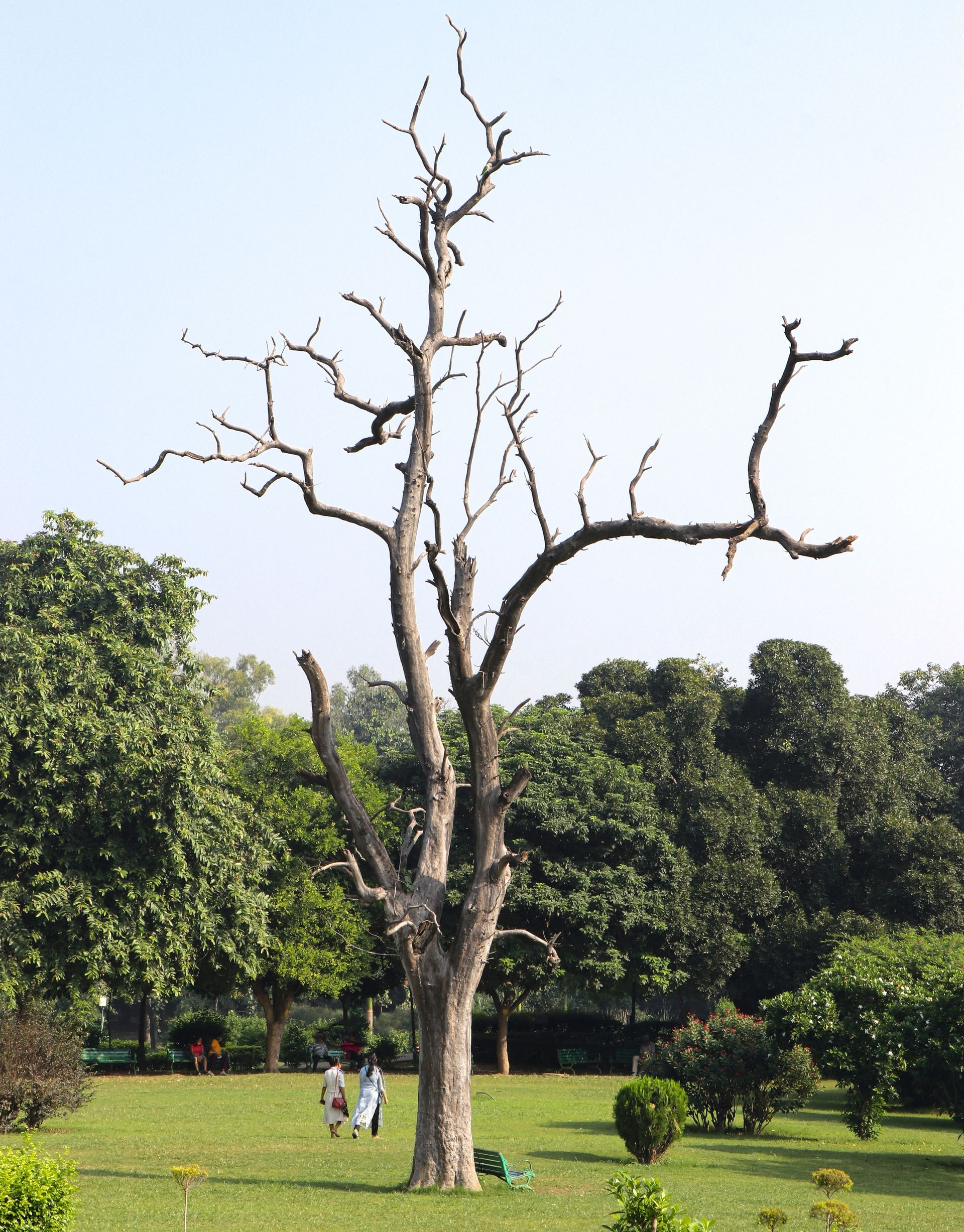
A tree's life doesn't begin and end as neatly as we might think. From a tiny seedling to a towering mature tree, an enormous number of systems are constantly working together to keep it alive. And when those systems begin to fail, a tree changes its priorities, redirects its resources, and does what it can to survive. Even after death, the tree's story continues as it supports other life cycles and processes. This October, let's take a closer look at the life, decline, and afterlife of a tree, and some of the fascinating things happening inside it along the way.
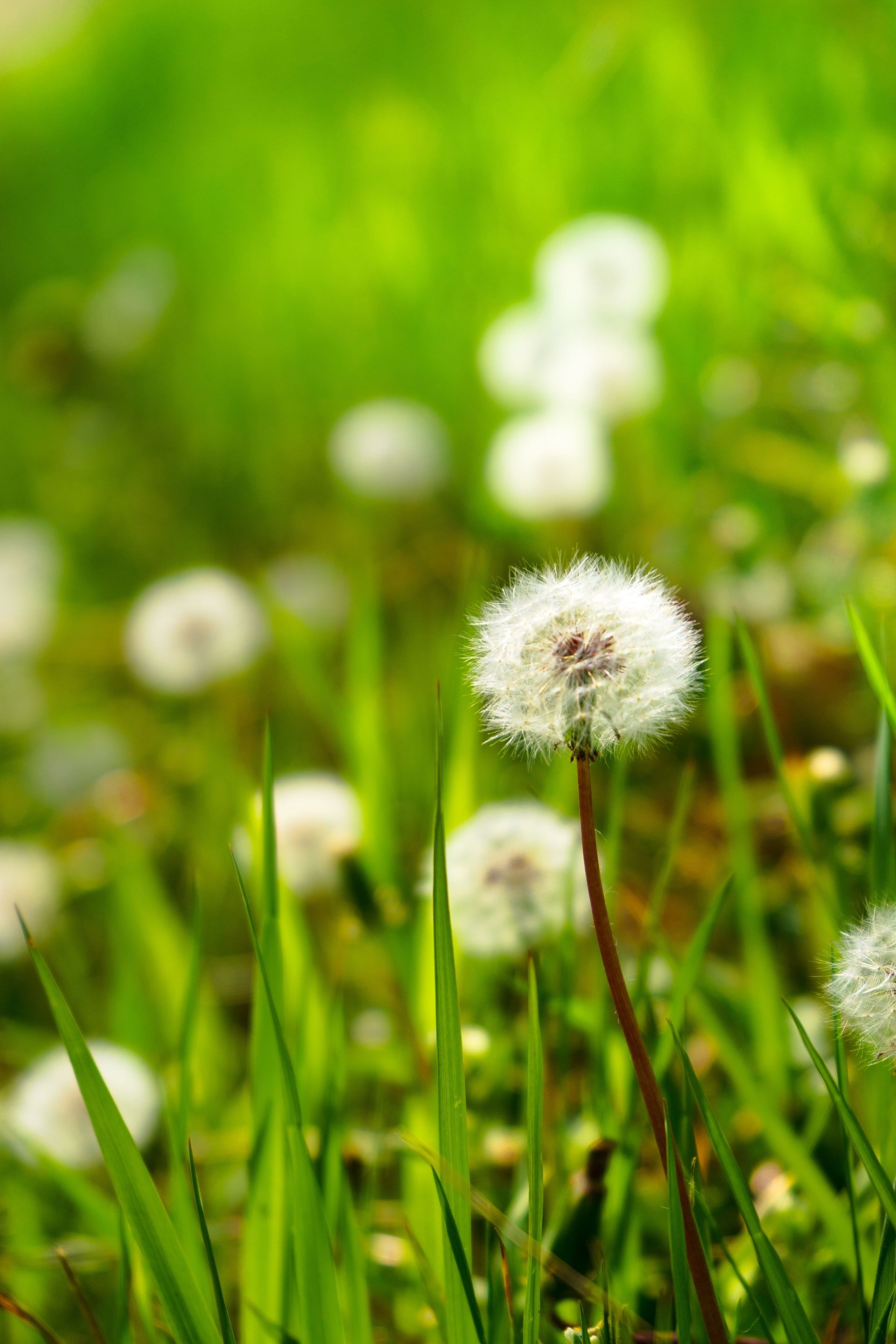
Weeds are one of the most persistent challenges in maintaining an attractive landscape. Organic weed control has some advantages, but it also has limitations. Understanding how different methods work can help you choose the approach that makes the most sense for your landscape.
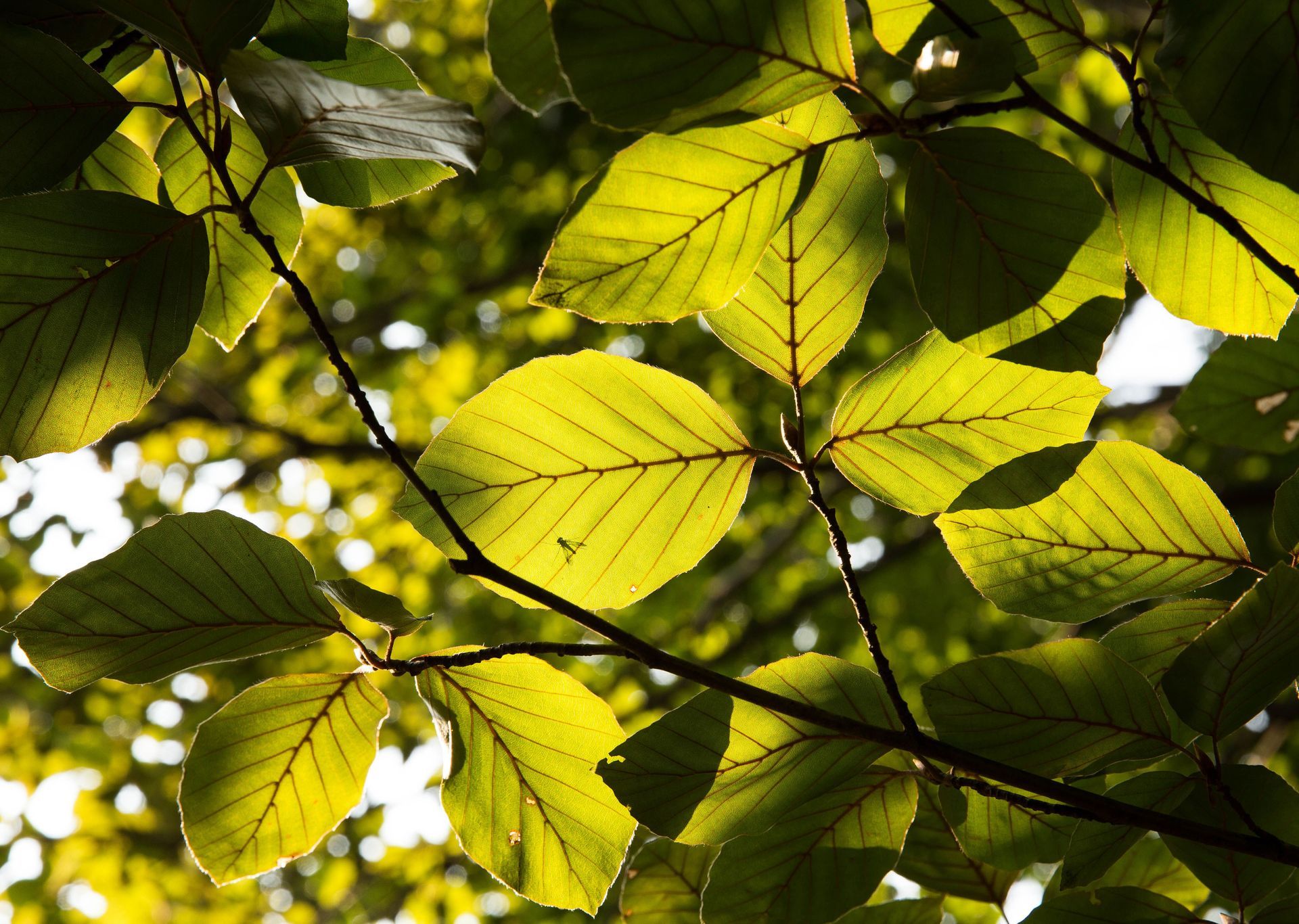
For years, Beech Leaf Disease (BLD) has been one of the most alarming threats facing North America's forests. Since its discovery in Ohio in 2012, the disease has spread rapidly throughout the northeast and mid-Atlantic regions, affecting both native American beech and ornamental beech tree species. When the disease first appeared, there were very few answers and much concern. Many arborists and homeowners feared removal was inevitable once symptoms appeared. While BLD remains a serious concern today, researchers at universities and institutions across the country have identified several treatment options that can significantly reduce disease severity and improve tree health. Although these treatments do not cure the disease, they can help slow the progression and preserve our forest ecosystem.
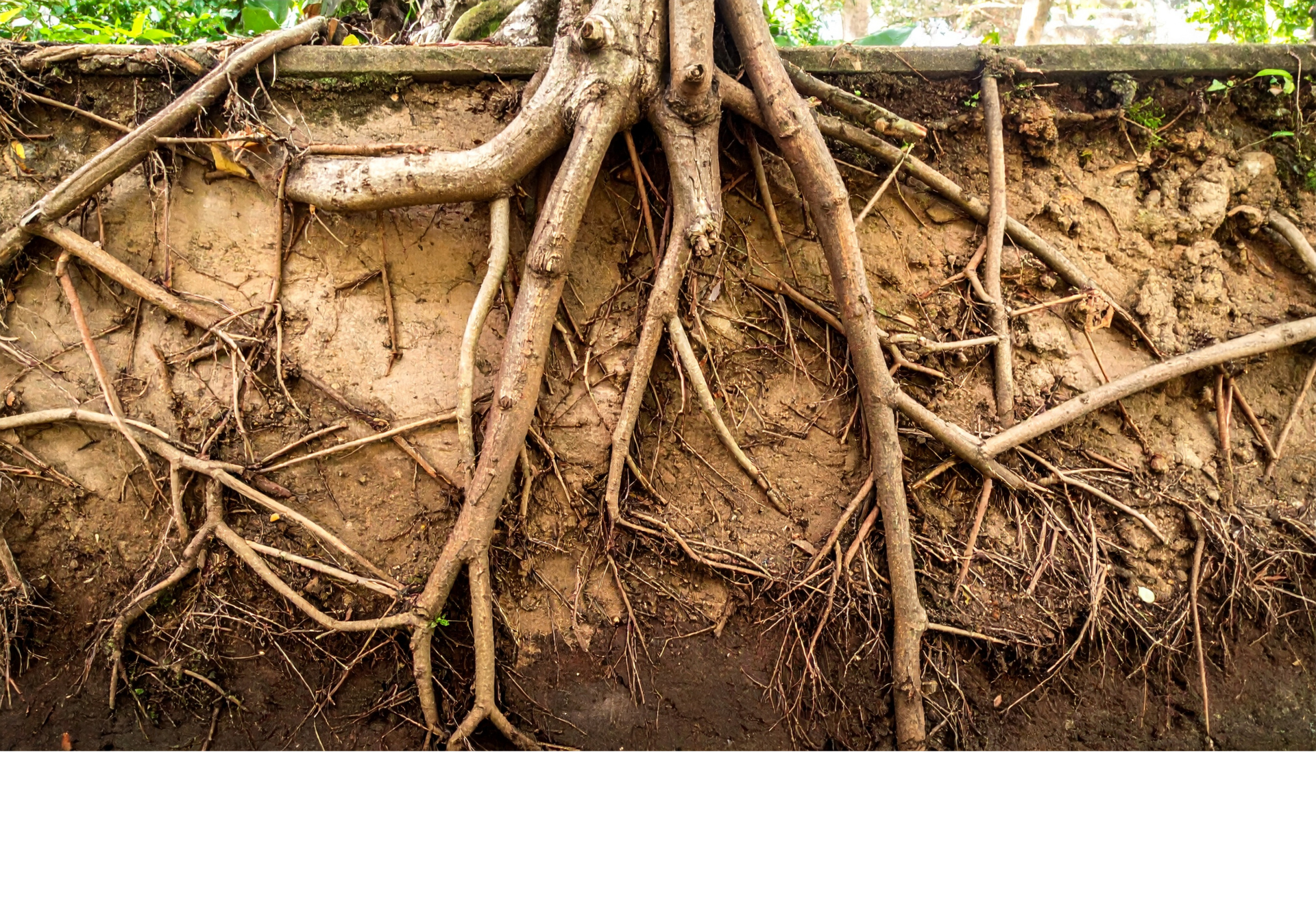
If tree roots could tell a story, they'd sure have a lot to say. From fungal networks to microbial activity, there is much more going on behind the scenes than we may think. So what really goes on in the root zone of a tree? And what can we do to protect this hidden ecosystem?
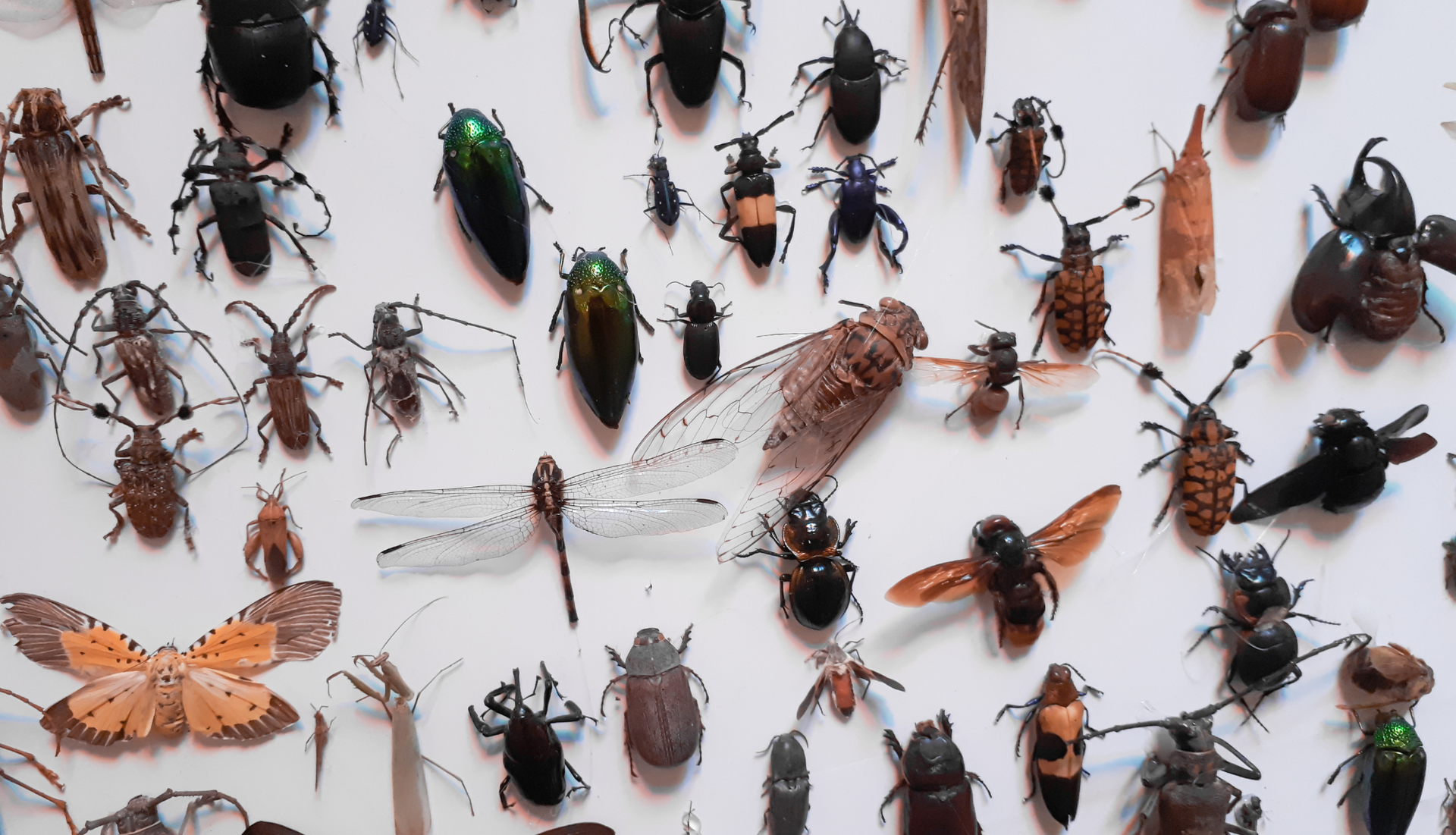
Let's be real-- most people don't give a second thought to the lives of insects. You may be one of those people. But we're here to share the reasons you may want to care-- or at least recognize their importance in our environment.